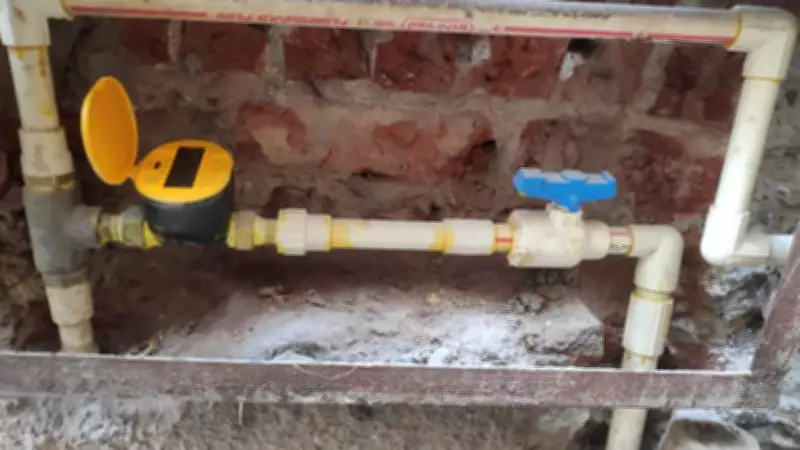
Amritsar Municipal Corporation Announces Drastic Water Bill Hike for Faulty Commercial Meters
The Amritsar Municipal Corporation (AMC) has unveiled a bold new policy aimed at addressing significant revenue losses from non-functional water meters in commercial establishments. The corporation plans to implement a threefold increase in water bills for commercial properties found to have faulty or non-operational water meters. This move is part of a broader strategy to enhance municipal revenue and ensure accurate billing for water consumption across the city.
Addressing Revenue Leakage and Encouraging Meter Maintenance
Officials from the AMC have highlighted that the current system suffers from substantial financial leakage due to inaccurate billing caused by defective meters. Many commercial entities, including shops, restaurants, and offices, have been operating with meters that either underreport usage or fail entirely, leading to underestimated bills. The proposed hike is designed to incentivize prompt repairs and replacements, ensuring that all commercial users contribute fairly to the city's water infrastructure costs.
The decision follows an internal audit that revealed widespread issues with meter functionality in commercial zones. Revenue losses are estimated to run into crores of rupees annually, impacting the AMC's ability to fund essential services like water supply maintenance, pipeline upgrades, and sanitation projects. By imposing a 300% surcharge on bills from faulty meters, the corporation aims to recover these losses and discourage negligence.

Implementation and Stakeholder Response
The AMC is expected to roll out the new billing structure in the coming months, after formal approvals and public notifications. Commercial establishments will be given a grace period to inspect and rectify their water meters before the hike takes effect. Corporation teams will conduct random checks to identify non-compliant properties, with bills adjusted accordingly for those found in violation.
Local business associations have expressed mixed reactions to the proposal. While some acknowledge the need for accurate billing and infrastructure funding, others worry about the financial burden on small enterprises, especially in a post-pandemic economic climate. The AMC has assured that the policy will include provisions for appeals and reassessments to address genuine hardships, but emphasizes that compliance is non-negotiable for sustainable water management.
Broader Implications for Urban Governance
This initiative aligns with broader efforts in Punjab to modernize municipal services and improve fiscal discipline. Similar measures have been discussed in other cities, but Amritsar's plan marks one of the most aggressive approaches to date. Experts suggest that if successful, it could serve as a model for other municipalities grappling with similar issues of revenue loss and resource management.
The AMC's move also underscores the growing focus on accountability in public utilities, as cities across India seek to upgrade aging infrastructure amid rising demand. By targeting commercial users specifically, the corporation aims to balance revenue generation with minimal impact on residential consumers, who often bear the brunt of such hikes.
In summary, the Amritsar Municipal Corporation's proposal for a threefold water bill increase for faulty commercial meters represents a significant step toward financial sustainability and equitable resource distribution. Stakeholders are advised to stay informed about implementation timelines and ensure their meters are in proper working order to avoid penalties.