

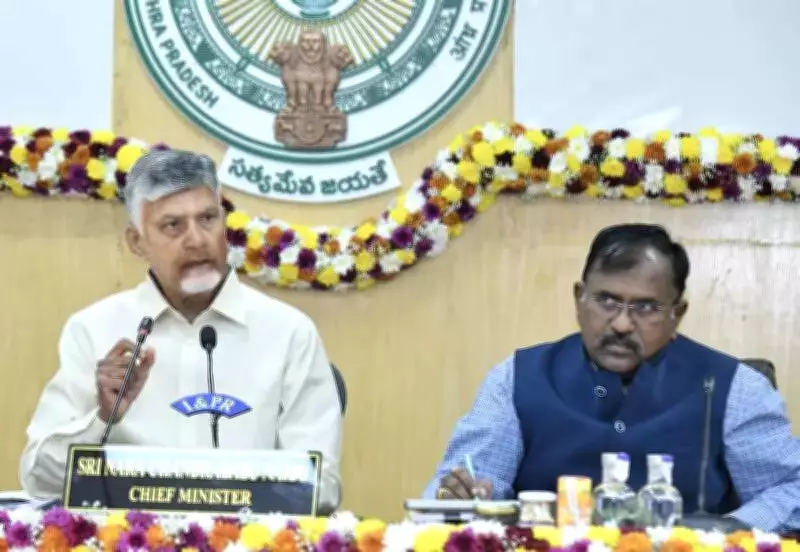
Andhra Pradesh Government Establishes Ministerial Group to Address Gulf War Fallout
In a proactive move to safeguard state interests amid escalating tensions in the Middle East, Andhra Pradesh Chief Minister Chandrababu Naidu has constituted a high-level Group of Ministers (GoM). This strategic committee is tasked with overseeing and coordinating all state responses to issues arising from the Gulf war situation, ensuring minimal disruption to essential services and supply chains.
Comprehensive Review of LPG Stock and Supply Arrangements
During a detailed review meeting held on Wednesday, CM Naidu examined the current LPG stock position and supply mechanisms with district collectors across the state. Civil Supplies Secretary Saurabh Gaur provided a reassuring update, confirming that there are no immediate shortages of LPG anywhere in Andhra Pradesh at present. However, he noted a critical detail: oil distribution companies are currently maintaining stocks sufficient for only five days, highlighting the need for vigilant monitoring.
The newly formed ministerial committee comprises three key figures: Nadendla Manohar, Achchennaidu, and Payyavula Keshav. Their primary mandate is to track market trends that could affect the availability and pricing of LPG and horticulture products, which are vulnerable to international conflict dynamics.

Stringent Directives to Ensure Uninterrupted Supply
Chief Minister Naidu issued clear instructions to all concerned departments, emphasizing continuous monitoring of the situation through the Real-Time Gross Settlement (RTGS) system. Officials are required to submit regular reports to the government to facilitate swift decision-making. "LPG supplies to schools and hospitals must remain uninterrupted under any circumstances," Naidu asserted during the review.
He further directed state officials to maintain close communication with the Central government to ensure Andhra Pradesh does not face any constraints in resource allocation. Any disruptions triggered by the Gulf war should be addressed immediately with contingency plans.
Proactive Measures to Prevent Market Disruptions
To mitigate potential economic impacts, Naidu asked district collectors to identify alternative markets for key commodities such as eggs and bananas, which could be affected by trade route disruptions. Additionally, he called for heightened vigilance to prevent the diversion of LPG cylinders into the black market, a common issue during supply crises.
"All officials must stay alert and prepared for any situation," the Chief Minister emphasized, underscoring the importance of readiness in the face of unpredictable global events.
Current LPG Infrastructure and Demand in Andhra Pradesh
Andhra Pradesh's LPG ecosystem is substantial, with 1.61 crore domestic connections and 10 lakh commercial connections relying on consistent supply. The state's daily demand stands at 4,000 metric tonnes for domestic use and 2,000 metric tonnes for commercial purposes, totaling 6,000 metric tonnes.
Supply is managed by three major oil companies: HPCL, IOCL, and BPCL. As of the review, the combined stock available with these companies is 21,505 metric tonnes, which, given the daily demand, underscores the importance of the five-day buffer and the need for strategic replenishment plans.
This comprehensive approach by the Andhra Pradesh government reflects a commitment to preemptive governance, aiming to shield citizens and critical institutions from the ripple effects of international conflicts while maintaining economic stability.






