Andhra Pradesh Explores Social Media Restrictions for Minors
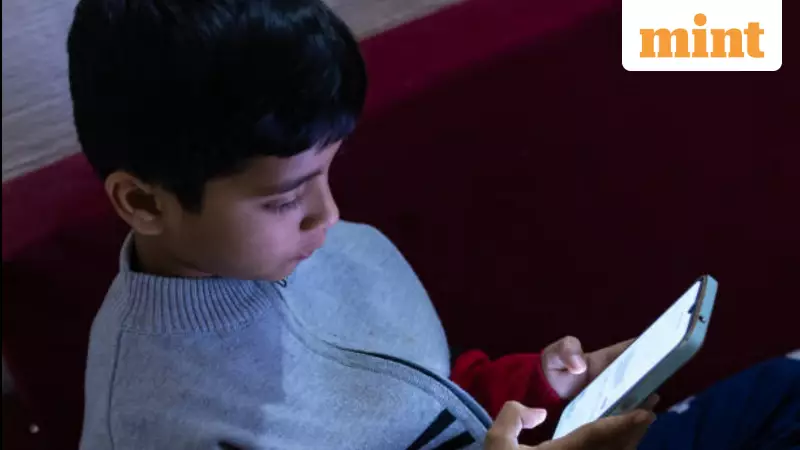
In a significant development for digital policy in India, Andhra Pradesh is actively considering implementing a ban on social media access for children under the age of 16. This revelation came from the state's IT minister, Nara Lokesh, during an interview with Bloomberg on the sidelines of the World Economic Forum in Davos.
Learning from Australia's Regulatory Approach
The southern Indian state is drawing inspiration from Australia's recent legislative direction, which prohibits social media usage for individuals below 16 years. "As a state, we are studying Australia's under-16 law, and yes, I believe we need to create a strong legal enactment," Minister Lokesh emphasized during the discussion.
Australia's comprehensive ban targets major platforms including:

- TikTok
- X (formerly Twitter)
- YouTube
- Snapchat
- Threads
The Australian government has justified this measure by highlighting concerns about social media's "design features that encourage young people to spend more time on screens" while simultaneously exposing them to content that could potentially harm their health and overall wellbeing.
Protecting Young Minds from Digital Harm
Minister Lokesh expressed strong alignment with the protective philosophy behind Australia's approach. He articulated concerns that younger individuals often lack the maturity to fully comprehend the content they encounter on these platforms. "I strongly felt that youngsters under a certain age should not be on social media because they don't understand what they are seeing," he stated, reinforcing the need for age-appropriate digital safeguards.
Understanding Australia's Implementation Framework
The Australian legislation, which took effect on December 10, establishes clear parameters for social media access:
- Age Restriction: Complete prohibition of social media usage for anyone under 16 years
- Enforcement Mechanism: Primary responsibility placed on social media companies to implement "reasonable steps" for age verification
- Penalty Structure: Platforms failing to comply face substantial fines, with maximum penalties reaching Aus$49.5 million for serious violations
Notably, the Australian model does not penalize children or their parents directly, focusing instead on platform accountability. The law also includes specific exemptions, with popular applications such as Roblox, Pinterest, and WhatsApp currently excluded from the restrictions, while major social networks and streaming services like Kick and Twitch fall under the ban.
Potential Implications for India's Digital Landscape
If Andhra Pradesh proceeds with this regulatory initiative, it could establish a precedent for other Indian states considering similar measures to protect young digital citizens. The move reflects growing global concerns about the psychological and developmental impacts of early social media exposure, particularly regarding content consumption that children may not have the cognitive tools to process appropriately.
The state's exploration of this policy demonstrates an increasing recognition of the need for balanced digital governance that protects vulnerable populations while navigating the complexities of modern technological integration in society.