

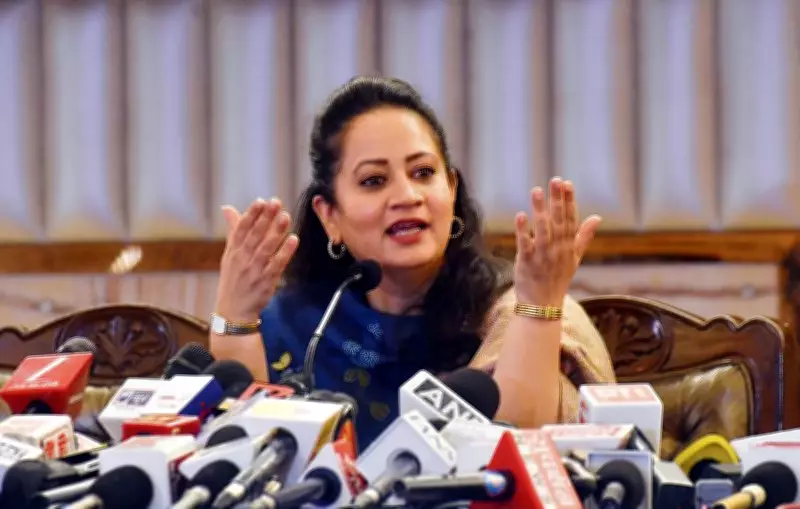
Arti Singh's Chief Minister Aspiration Ignites Political Chatter in Haryana BJP
In a development that has sent ripples through the political landscape of Haryana, a remark by BJP leader Arti Singh about her ambition to become the state's first woman chief minister has sparked intense buzz and speculation within the ruling party. The comment, made during a recent public event, has quickly become a focal point for discussions on internal dynamics, leadership aspirations, and the upcoming electoral strategies in the state.
Context and Immediate Reactions
Arti Singh, a prominent figure in the Haryana Bharatiya Janata Party (BJP), reportedly expressed her desire to take on the role of chief minister, emphasizing the potential for a woman to lead the state. This statement has not only captured media attention but also triggered varied reactions from party members and political analysts. While some view it as a bold declaration of ambition, others interpret it as a sign of growing factionalism or strategic positioning ahead of key political events.
The remark comes at a time when Haryana is gearing up for significant political activities, including potential assembly elections and internal party reviews. It has led to debates on whether this signals a shift in the BJP's approach to leadership roles in the state, particularly concerning gender representation and merit-based promotions within the party hierarchy.

Implications for Haryana BJP's Internal Dynamics
This incident has shed light on the underlying tensions and ambitions within the Haryana BJP. Key points of discussion include:
- Leadership Contention: Arti Singh's comment may indicate emerging rivalries or aspirations among senior leaders, potentially affecting party unity and decision-making processes.
- Electoral Strategy: With elections on the horizon, such statements could influence voter perceptions and campaign narratives, possibly positioning women's empowerment as a central theme.
- Party Discipline: The BJP's response to this remark will be closely watched, as it could set precedents for how internal ambitions are managed and communicated publicly.
Political observers note that while individual aspirations are common in politics, the timing and public nature of this comment add a layer of complexity to the state's political environment. It raises questions about the BJP's readiness to embrace a woman chief minister candidate and how this aligns with broader national and state-level party goals.
Broader Political Landscape in Haryana
Haryana has a history of dynamic political shifts, and this development fits into a pattern of evolving leadership discussions. The state's political scene is characterized by:
- Competitive Politics: With multiple parties vying for influence, statements like Arti Singh's can reshape alliances and public discourse.
- Gender Representation: As issues of women's participation in politics gain traction, this remark highlights ongoing debates about inclusivity and leadership opportunities in Haryana.
- Media and Public Engagement: The buzz generated underscores the role of media in amplifying political narratives and engaging the electorate in state-level issues.
In summary, Arti Singh's chief minister remark has not only stirred buzz within the Haryana BJP but also prompted broader reflections on political ambitions, party dynamics, and the future direction of governance in the state. As developments unfold, this incident is likely to remain a topic of keen interest among stakeholders and the public alike.






