

Assam's 2026 Assembly Elections: The Battle for Tea Garden Votes
With the Assam assembly elections of 2026 on the horizon, political analysts are closely examining the factors that will influence the crucial tea garden electorate. This voting bloc, which shifted decisively from the Congress to the BJP in 2014, now faces a complex decision involving land rights, cash incentives, and the long-promised Scheduled Tribe (ST) status.
The Historical Shift: From Congress to BJP
In 2014, tea garden voters in Assam made a significant political move by abandoning the Congress party in favor of the BJP. This shift was primarily driven by the BJP's compelling promises of granting Scheduled Tribe status to the tea garden communities and ensuring comprehensive development in the region. The change marked a turning point in Assam's political landscape, with the BJP capitalizing on these assurances to secure a strong foothold.
Key Issues Influencing Voters in 2026
As the 2026 elections approach, several critical issues are emerging as potential determinants for tea garden voters:

- Land Rights: Many tea garden workers and residents are concerned about secure land ownership and protection against displacement.
- Cash Benefits and Economic Incentives: Direct financial assistance, wage increases, and economic packages are being touted by political parties to attract support.
- Scheduled Tribe Status: The unfulfilled promise of ST status remains a pivotal issue, with voters evaluating which party is more likely to deliver on this long-standing demand.
These factors are creating a multifaceted electoral environment where voters must weigh immediate economic gains against long-term constitutional benefits.
On-the-Ground Perspectives
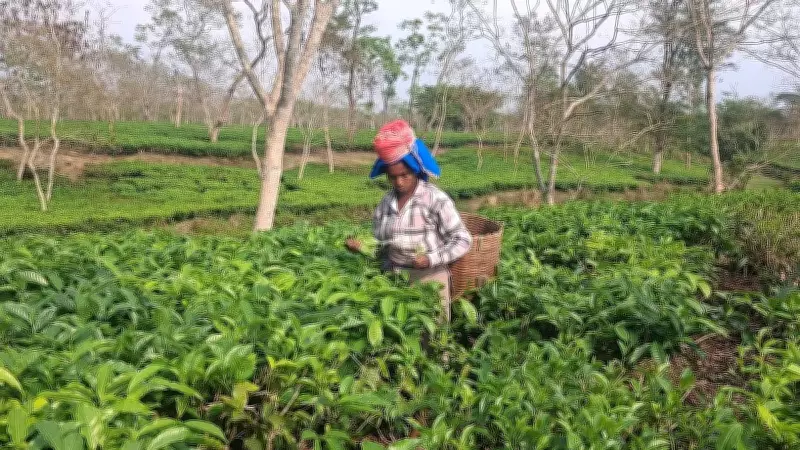
Reports from tea estates, such as the Cinnamara tea estate in Jorhat where Dipa Kalandi resides, highlight the daily realities and aspirations of the community. Voters express a mix of hope and skepticism, recalling past promises and assessing current proposals from both the BJP and Congress. The political discourse in these areas is intensifying as parties ramp up their campaigns to address these core concerns.
Political Strategies and Voter Expectations
The BJP is expected to emphasize its track record and ongoing initiatives, while the Congress is likely to critique the delays in ST status implementation and propose alternative solutions. Both parties are crafting strategies to appeal to tea garden voters by addressing their specific needs and aspirations. The outcome will depend heavily on which party can effectively communicate and commit to resolving these pressing issues.
As the election date draws nearer, the tea garden communities of Assam stand at a crossroads, with their votes poised to shape the state's political future. The interplay of land, cash, and status promises will undoubtedly be a defining feature of the 2026 Assam assembly elections.






