Assam Election 2026: Can Himanta Biswa Sarma Leverage CAA to Secure a Second Term?
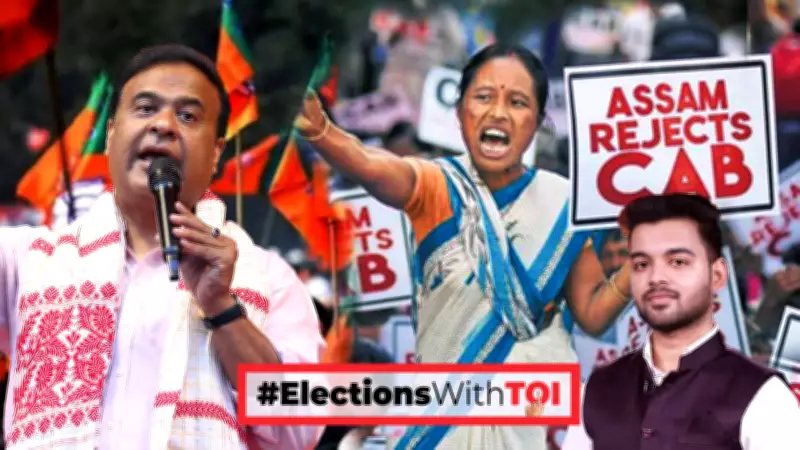
With the Assam assembly elections scheduled for April 9, 2026, the political landscape is heating up as Chief Minister Himanta Biswa Sarma positions the Citizenship Amendment Act (CAA) and identity politics at the forefront of his campaign. Analysts observe that this strategic focus has emerged as a central issue, potentially shaping voter sentiment across the state.
BJP's Electoral Strategy and Voter Targeting
The Bharatiya Janata Party (BJP), under Sarma's leadership, is reportedly targeting two key voter segments: urban populations and indigenous communities. By emphasizing the CAA, the party aims to consolidate support among groups concerned with citizenship and demographic changes, while also appealing to broader nationalist sentiments.
Urban voters are seen as crucial for the BJP's success, with the party leveraging development narratives alongside the CAA discourse. Meanwhile, indigenous voters are being courted through promises of cultural preservation and autonomy, addressing long-standing ethnic concerns in Assam.
Opposition Dynamics and Regional Influences
The opposition in Assam faces significant challenges due to fragmentation, with multiple parties vying for influence. This division could benefit the BJP, as it may lead to split votes in closely contested seats. Regional parties, however, retain substantial sway in certain areas, and their ability to mobilize local support might decide the outcome in key constituencies.
- Congress and other national parties are struggling to present a united front.
- Regional entities like the Asom Gana Parishad (AGP) and new alliances could impact vote shares.
- The influence of local leaders and grassroots networks remains a wild card in the election.
Key Local Issues Beyond CAA
While the CAA dominates headlines, several other critical factors will play a pivotal role in determining Assam's next government:
- Local Development: Infrastructure projects, job creation, and economic growth are top priorities for voters, especially in rural and semi-urban areas.
- Flood Management: Assam's perennial flood problems require effective solutions, and the government's handling of disaster response could sway public opinion.
- Ethnic Autonomy: Demands for greater autonomy and rights from various ethnic groups in Assam add complexity to the political scenario, influencing voter behavior in specific regions.
As the election date approaches, the interplay between national issues like the CAA and local concerns will be crucial. Himanta Biswa Sarma's ability to balance these elements while navigating opposition challenges will ultimately determine if he can secure a second term as Chief Minister of Assam.