Assam Cabinet Approves 3% Job Reservation for Tea Tribes and Adivasis, Expands Women's Welfare Scheme
In a significant pre-election move, the Assam cabinet on Tuesday approved a 3% reservation in Class I and Class II state government jobs for tea tribes and Adivasi communities within the Other Backward Classes (OBC) quota. Simultaneously, the cabinet expanded the Mission for Minority and Underprivileged Areas (MMUA) scheme to include over 1 lakh additional women beneficiaries, reinforcing the government's focus on social welfare and empowerment.
Expansion of Job Reservation to Higher Posts
Chief Minister Himanta Biswa Sarma announced that until now, reservation for tea tribes and Adivasi communities was restricted to Grade III and IV posts. "From now, this will be expanded to Grade I and II, covering state civil services, professors, and other high-level positions," Sarma stated. The new rule will be applicable from next year, but for jobs advertised from Wednesday onwards, it will come into effect immediately.
This decision marks a pivotal shift in Assam's reservation policy, aiming to provide greater opportunities for these communities in prestigious government roles. The move is expected to impact recruitment across various departments, ensuring more inclusive representation in the state's administrative and educational sectors.

Major Expansion of Women's Entrepreneurship Scheme
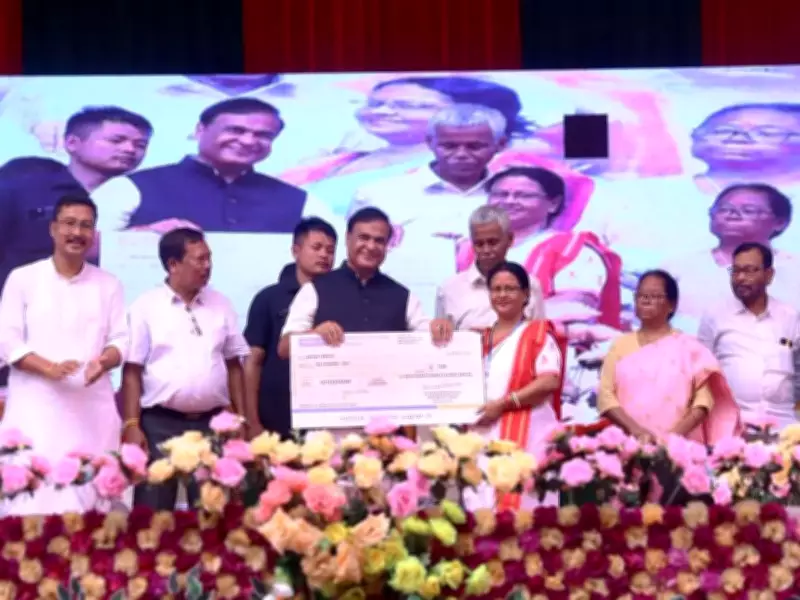
On the MMUA front, Sarma highlighted that 32 lakh women have already received ₹10,000 each under the scheme, which is designed to promote women's entrepreneurship through self-help groups (SHGs). However, recognizing that some genuine beneficiaries were excluded, the cabinet approved the inclusion of 1,07,532 additional SHG members.
"No deserving family should be left behind in accessing welfare schemes," Sarma emphasized, underscoring the government's commitment to comprehensive social coverage. The expansion aims to bolster economic independence and entrepreneurial ventures among women in minority and underprivileged areas, furthering the scheme's original objective of fostering grassroots economic growth.
Political Implications Ahead of Assembly Elections
The twin announcements come just weeks before the Assam assembly elections, scheduled for March-April, and are seen as a strategic effort by the ruling BJP to consolidate support among key voter bases. Tea tribes, Adivasis, and women voters constitute crucial constituencies in Assam's electoral landscape, and these measures are likely to become central campaign talking points.
By reinforcing a narrative of inclusion and empowerment, the BJP aims to strengthen its position while putting political rivals on the defensive. The decisions underscore the party's focus on welfare politics and targeted outreach, potentially shaping voter sentiment in the upcoming polls for the 126-member assembly.
Overall, these cabinet approvals reflect a broader push towards social equity and economic empowerment in Assam, blending policy initiatives with electoral strategy in a high-stakes political environment.