

Assam Chief Minister Defends 'Miyan' Remark Amid Political Controversy
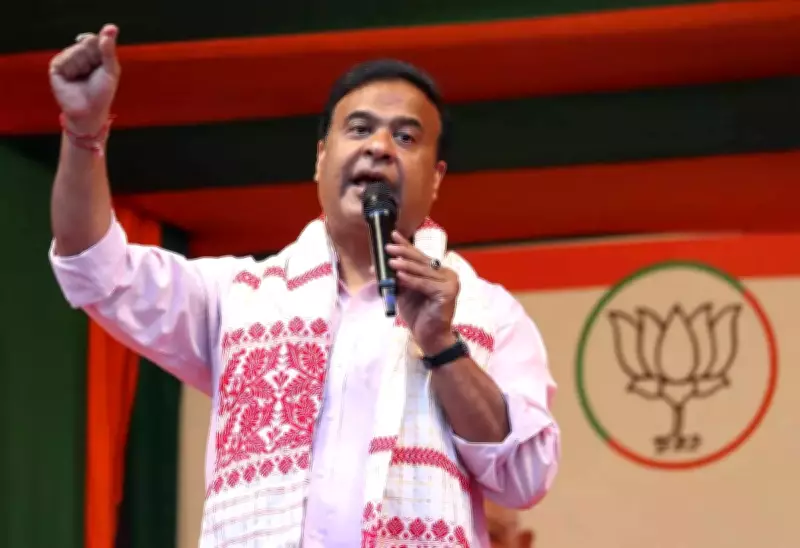
Assam Chief Minister Himanta Biswa Sarma has responded to mounting opposition criticism over his recent remarks involving the term "Miyan Muslims," asserting that his comments are part of a broader effort to protect the state's cultural and demographic identity. Speaking at a public event in Golaghat on Thursday, Sarma clarified that the term "Miyan" was not coined by him but is used by individuals who have migrated from Bangladesh to refer to themselves.
Clarification on the 'Miyan' Terminology
In his address, Sarma emphasized that he merely reiterated a self-identification label adopted by certain communities. "People who have come from Bangladesh often refer to themselves as 'Miyan,' and I was simply acknowledging this reality," he stated. The Chief Minister argued that his statement is being deliberately misinterpreted by political opponents to fuel unnecessary controversy and distract from substantive governance issues.
Political Backlash and Accusations
The remarks have ignited a fresh political row in Assam, with opposition parties targeting Sarma over his choice of language and the implications of his comments. Critics accuse the Chief Minister of using divisive rhetoric that could exacerbate tensions around migration and identity in the state. However, Sarma countered these allegations, claiming that the opposition is exploiting the situation for electoral gains rather than addressing genuine concerns about Assam's demographic changes.

"This is not about creating divisions; it is about preserving the unique identity of Assam," Sarma asserted, highlighting the historical context of migration and its impact on the state's social fabric.
Broader Debate on Identity and Migration
The controversy has reignited long-standing debates over identity, migration, and political discourse in Assam. Key aspects of this debate include:
- The historical influx of migrants from Bangladesh and its socio-political ramifications.
- The role of political rhetoric in shaping public perception of identity issues.
- The balance between cultural preservation and inclusive governance in a diverse state like Assam.
Observers note that such discussions are particularly sensitive in Assam, given its complex history of migration and ongoing efforts to implement policies like the National Register of Citizens (NRC).
Conclusion: A Call for Contextual Understanding
As the political storm continues, Himanta Biswa Sarma has called for a more nuanced understanding of his remarks, urging stakeholders to focus on the factual basis of migration patterns rather than politicizing terminology. The episode underscores the delicate interplay between language, identity, and politics in Assam, with implications for both state and national discourse. Moving forward, the challenge lies in addressing these issues through constructive dialogue while safeguarding the state's heritage and social harmony.






