Baharampur Constituency Braces for Intense Triangular Electoral Battle
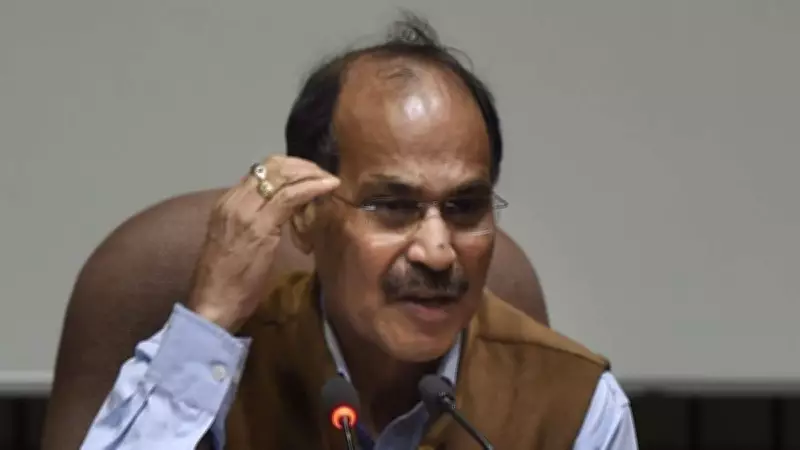
The political landscape in West Bengal's Baharampur constituency is heating up dramatically as Congress leader Adhir Ranjan Chowdhury has officially thrown his hat into the ring for the upcoming electoral contest. This development sets the stage for a nail-biting triangular face-off that promises to be one of the most closely watched battles in the region. The entry of Chowdhury, a seasoned politician and sitting MP, adds significant weight to the race, transforming it into a high-stakes political showdown.
Adhir Ranjan Chowdhury's Strategic Entry Reshapes Electoral Dynamics
Adhir Ranjan Chowdhury, the incumbent Member of Parliament from Baharampur and a prominent Congress figure, has formally announced his candidacy, confirming widespread speculation about his participation. His decision to contest comes amid intense political maneuvering in West Bengal, where the Congress party is aiming to reclaim its foothold against dominant regional and national forces. Chowdhury's entry is seen as a strategic move to consolidate the Congress vote bank while challenging the ruling Trinamool Congress (TMC) and the Bharatiya Janata Party (BJP).
The triangular contest is expected to be fiercely competitive, with each candidate bringing distinct advantages to the table. Chowdhury's long-standing connection with the constituency and his reputation as a vocal opposition leader could galvanize traditional Congress supporters. Meanwhile, the TMC and BJP are likely to deploy robust campaign strategies to counter his influence, making Baharampur a microcosm of the broader political tussle in West Bengal.

Political Implications and Voter Sentiment in Baharampur
The Baharampur constituency, historically a Congress stronghold, has witnessed shifting allegiances in recent years, with the TMC and BJP making significant inroads. Chowdhury's candidacy aims to reverse this trend by leveraging his local rapport and addressing key voter concerns such as development, employment, and infrastructure. Political analysts suggest that his entry could split the anti-incumbency vote, potentially altering the electoral calculus in favor of the Congress or creating opportunities for other parties.
Voter sentiment in Baharampur appears divided, with many residents expressing anticipation for a vibrant democratic contest. The triangular face-off is likely to focus on issues like agrarian distress, healthcare access, and educational facilities, which are critical in this largely rural constituency. Campaign activities are expected to intensify in the coming weeks, with rallies, door-to-door outreach, and digital campaigns playing pivotal roles in shaping public opinion.
Broader Context of West Bengal's Political Landscape
This electoral battle in Baharampur reflects the larger political dynamics in West Bengal, where multi-cornered contests have become increasingly common. The state has seen intense rivalry between the TMC, BJP, and Congress, with each party vying for dominance in key constituencies. Chowdhury's participation underscores the Congress's efforts to reassert its relevance in a state where it has faced declining influence over the past decade.
The outcome of the Baharampur race could have ripple effects on West Bengal's political equilibrium, influencing alliances and strategies ahead of future elections. As the campaign unfolds, all eyes will be on this constituency to gauge voter preferences and the effectiveness of each party's outreach. The triangular contest promises to be a litmus test for the Congress's revival prospects and the resilience of its opponents in one of India's most politically vibrant regions.