Baisnabnagar Constituency: A Crucial Battleground for West Bengal's 2026 Assembly Elections
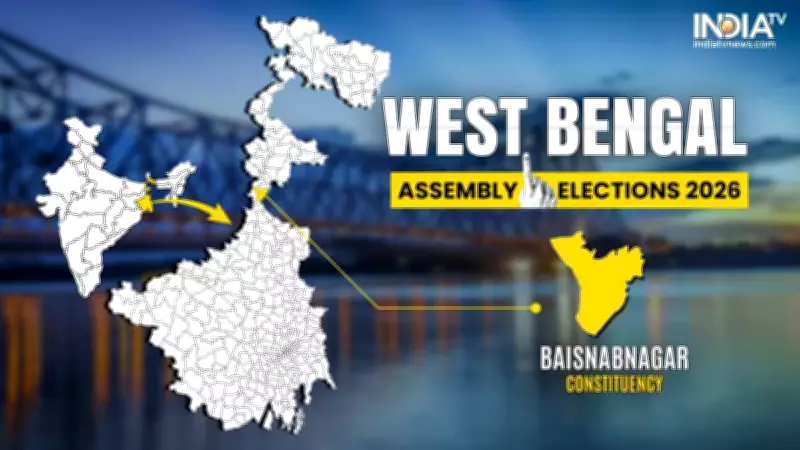
As West Bengal gears up for the highly anticipated Assembly Election in 2026, political attention is intensifying on key constituencies that could determine the state's future governance. Among these, the Baisnabnagar constituency in Malda district emerges as a significant electoral battleground, with its complex political history and shifting voter dynamics poised to influence the broader political landscape.
Geographical and Demographic Significance
Baisnabnagar is strategically located in the Malda district of West Bengal, an area known for its diverse population and agricultural economy. The constituency encompasses several important towns and rural areas, creating a unique blend of urban and rural voting patterns that political parties must navigate carefully. With a substantial population engaged in farming and small-scale industries, local issues often dominate electoral discourse here.
Historical Election Performance and Past Winners
The constituency has witnessed intense political competition over the years, with control frequently changing hands between major parties. In the 2021 West Bengal Assembly elections, the seat was won by the Trinamool Congress (TMC) candidate, continuing a trend of strong performance by the ruling party in recent cycles. However, historical data reveals a more complex picture:
- 2021 Winner: Trinamool Congress candidate secured victory
- Previous Cycles: The constituency has seen victories by multiple parties including the Indian National Congress and the Communist Party of India (Marxist) in earlier elections
- Vote Margin Analysis: Recent elections have featured competitive margins, indicating no single party enjoys overwhelming dominance
Vote Margin Patterns and Electoral Dynamics
Analysis of past election results reveals fascinating patterns in vote margins that could prove crucial for 2026 strategies. The constituency has typically seen moderate to close margins rather than landslide victories, suggesting a highly engaged and divided electorate. This competitive environment forces political parties to work extensively at the grassroots level, addressing local concerns and building personal connections with voters.
Political observers note that vote margins in Baisnabnagar often reflect broader trends in Malda district and sometimes even statewide patterns, making it a valuable bellwether constituency for analysts tracking West Bengal's political evolution.
Party-Wise Candidate Strategies and Preparations
With the 2026 elections approaching, major political parties are already formulating their strategies for Baisnabnagar:
- Trinamool Congress (TMC): As the current holder of the seat, TMC is expected to focus on consolidating its position by highlighting state government achievements and local development projects. The party will likely field a candidate with strong local connections and a track record of addressing constituency-specific issues.
- Bharatiya Janata Party (BJP): Having made significant inroads in West Bengal in recent elections, BJP is anticipated to mount a serious challenge in Baisnabnagar. The party's strategy may involve emphasizing national issues while also addressing local concerns through targeted campaigning.
- Indian National Congress and Left Front: These traditional forces in West Bengal politics will be working to regain lost ground in the constituency. Their approach might focus on coalition-building and highlighting alternative governance models.
Key Issues and Voter Concerns
The electoral battle in Baisnabnagar is expected to revolve around several critical issues:
- Agricultural Development: Given the constituency's rural character, policies supporting farmers and agricultural infrastructure will be paramount
- Employment Generation: Creating job opportunities, particularly for youth, remains a persistent concern
- Infrastructure Improvement: Roads, electricity, water supply, and healthcare facilities continue to be important voting factors
- Social Welfare Schemes: Implementation and accessibility of government welfare programs often influence voter decisions
Strategic Importance for 2026 Elections
Baisnabnagar's significance extends beyond its immediate boundaries. As part of Malda district – a region with substantial electoral weight – performance in this constituency can impact party morale and resource allocation across multiple neighboring seats. Furthermore, the constituency's mixed demographic profile makes it a testing ground for political messages that must resonate across different community segments.
Political analysts suggest that whichever party secures Baisnabnagar in 2026 will gain valuable momentum in the broader contest for West Bengal's political future. The constituency's history of competitive elections ensures that no party can take the seat for granted, requiring substantial investment in campaigning and voter outreach.
As election preparations intensify, Baisnabnagar stands as a microcosm of West Bengal's complex political landscape, where local issues intersect with state and national narratives. The 2026 battle here will not only determine representation for this specific constituency but also provide important signals about shifting political allegiances and emerging trends in one of India's most politically vibrant states.