Baramati Plane Crash Sparks Urgent Calls for VSR Fleet Grounding
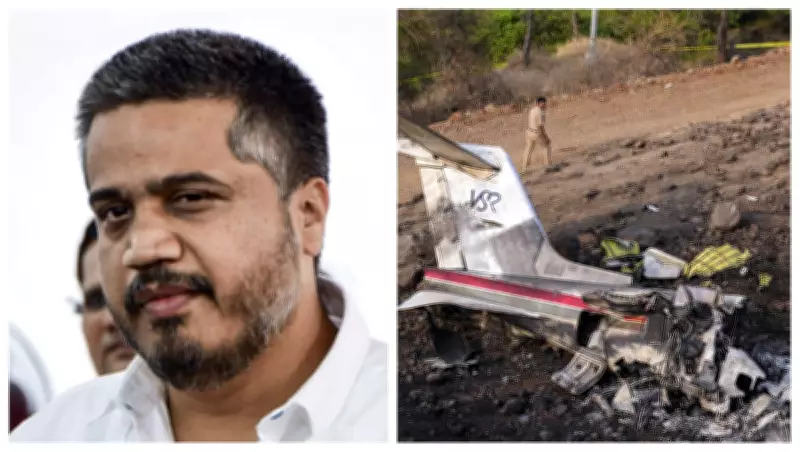
In the wake of a devastating plane crash in Baramati, Maharashtra, a prominent political leader has issued a stark demand for aviation safety reforms. Rohit Pawar, a key figure in the Nationalist Congress Party (NCP), has called for the immediate grounding of the entire VSR fleet, emphasizing the critical need to address potential systemic risks in the wake of this tragic incident.
Details of the Baramati Aircraft Accident
The crash occurred in the Baramati region, sending shockwaves through the local community and raising urgent questions about aircraft safety protocols. While specific details regarding the number of casualties or the exact cause are still under investigation by authorities, preliminary reports indicate a severe impact that has prompted swift political and public reactions.
Rohit Pawar, who serves as an MLA and is the grandnephew of NCP chief Sharad Pawar, has taken a firm stance, linking the accident to broader concerns about the VSR aircraft model. His demand underscores growing apprehensions over whether this fleet meets stringent safety standards, especially in light of recent aviation mishaps across the country.
Political and Safety Implications of the Demand
Pawar's call for grounding the VSR fleet is not merely a reactive measure but part of a larger push for enhanced regulatory oversight. He has urged aviation authorities, including the Directorate General of Civil Aviation (DGCA), to conduct a comprehensive review of all VSR aircraft operations. This move aims to prevent future tragedies by ensuring that any latent defects or maintenance issues are identified and rectified promptly.
The demand also highlights the intersection of politics and public safety in Maharashtra, where aviation incidents can quickly become focal points for policy debates. Pawar emphasized that passenger safety must be the paramount priority, and any compromise in this regard is unacceptable. His statement has resonated with many who are calling for stricter enforcement of aviation norms and more transparent investigation processes.
Broader Context and Industry Response
This incident adds to a series of aviation safety concerns in India, prompting discussions about fleet management and maintenance practices. The VSR fleet, used for various purposes including regional connectivity and private charters, now faces intense scrutiny. Industry experts suggest that a thorough technical audit and possible upgrades might be necessary to restore public confidence.
Key points from the ongoing discourse include:
- The need for immediate action to assess the airworthiness of all VSR aircraft.
- Calls for an independent probe to determine the root cause of the Baramati crash.
- Potential impacts on regional aviation services if the fleet is grounded.
- The role of political advocacy in driving safety reforms in the aviation sector.
As investigations proceed, stakeholders from government agencies to aviation operators are closely monitoring developments. The outcome could lead to significant policy changes, influencing how aircraft fleets are managed and regulated across Maharashtra and potentially nationwide.