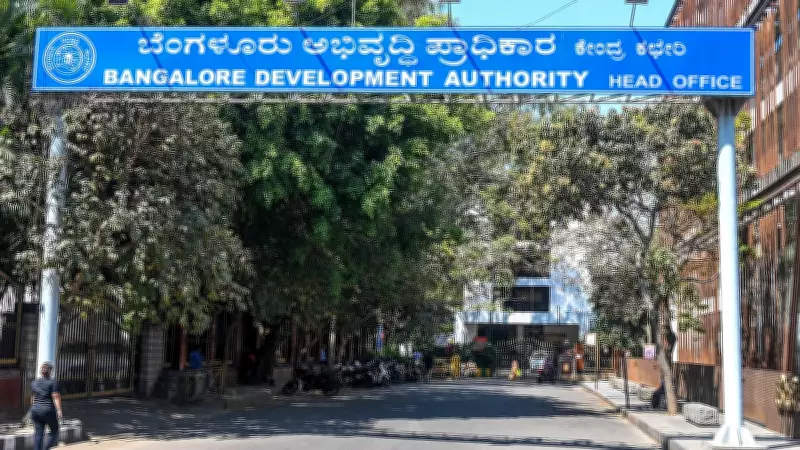
Bengaluru Development Authority Moves Forward on Long-Awaited Master Plan
The Bengaluru Development Authority (BDA) has officially initiated the process to prepare the much-delayed Revised Master Plan 2031 for the city, marking a significant step in urban planning efforts. This move comes after years of postponements and public anticipation, with the plan intended to outline Bengaluru's development trajectory over the next decade.
Addressing Delays and Setting Timelines
According to recent reports, the BDA has taken concrete actions to kickstart the drafting of the master plan, which has faced numerous setbacks since its inception. Authorities have emphasized the urgency of completing this comprehensive blueprint to manage the city's rapid urbanization and infrastructure needs. The plan is expected to address key areas such as land use, transportation, housing, and environmental sustainability, aiming to create a more organized and livable urban environment.
Public Consultation and Stakeholder Involvement
In line with regulatory requirements, the BDA plans to incorporate public feedback through consultations and hearings, ensuring that the master plan reflects the needs and aspirations of Bengaluru's residents. This participatory approach is designed to enhance transparency and accountability in the planning process, potentially mitigating past criticisms of bureaucratic delays and lack of community engagement.

Implications for Bengaluru's Future Growth
The Revised Master Plan 2031 is poised to play a crucial role in shaping Bengaluru's development, particularly in managing its expanding population and economic activities. By providing a structured framework, the plan aims to:
- Improve infrastructure: Focus on upgrading roads, public transport, and utilities to support growth.
- Promote sustainable practices: Integrate green spaces and waste management systems to enhance environmental resilience.
- Address housing shortages: Allocate land for affordable housing projects to cater to diverse socio-economic groups.
Experts suggest that timely implementation could help alleviate current urban challenges, such as traffic congestion and inadequate public services, while fostering long-term economic prosperity.
Challenges and Expectations
Despite the proactive steps, the BDA faces hurdles, including bureaucratic complexities and potential opposition from various stakeholders. However, officials remain optimistic that with concerted efforts, the master plan will be finalized and adopted within the stipulated timeframe, setting a precedent for efficient urban governance in Karnataka.
This development underscores the BDA's commitment to revitalizing Bengaluru's planning mechanisms, with the hope that the Revised Master Plan 2031 will serve as a foundational document for the city's future, ensuring balanced and inclusive growth for all its inhabitants.