

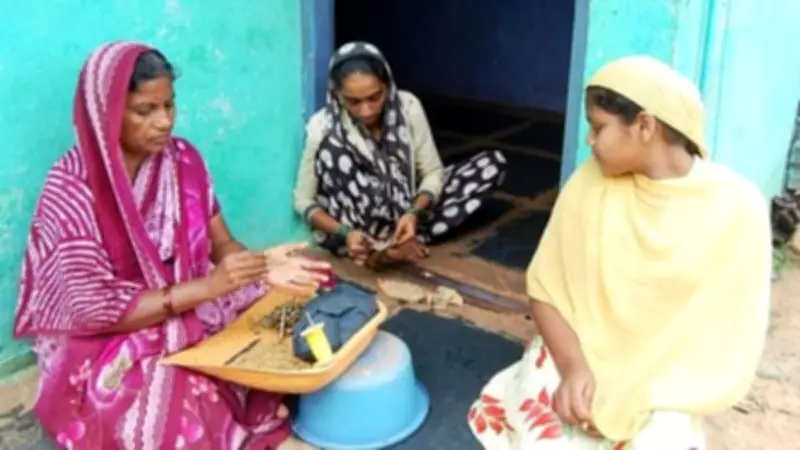
Murshidabad's Beedi Industry: A Tale of Poverty Amid Political Turmoil
As the West Bengal Assembly Elections of 2026 draw near, the district of Murshidabad finds itself at a critical crossroads. While political discourse often centers on debates over infiltration, a stark reality unfolds on the ground: the plight of its beedi workers, who form the economic backbone of the region yet battle relentless poverty and exploitation.
The Scale of the Beedi Workforce
Murshidabad is home to nearly a quarter of India's total beedi workers, making it a pivotal hub for this traditional industry. This concentration underscores the district's heavy reliance on beedi rolling for livelihoods, with thousands of families depending on it for their daily sustenance.
The industry serves as the primary economic driver in Murshidabad, generating significant employment but often under precarious conditions. Workers, many of whom are women and children, face low wages, lack of job security, and hazardous working environments that compromise their health and well-being.

Exploitation and Economic Hardships
Reports indicate that beedi workers in Murshidabad endure systemic exploitation, including:
- Inadequate pay that fails to meet basic living standards, forcing many into cycles of debt and poverty.
- Absence of social security benefits, such as healthcare or pension plans, leaving workers vulnerable in times of crisis.
- Exposure to harmful tobacco dust and chemicals, leading to respiratory illnesses and other health issues without proper medical support.
This exploitation is compounded by the informal nature of the work, with many laborers operating without contracts or legal protections, making it difficult to advocate for better conditions.
Political Context: Elections and Infiltration Debates
As political parties gear up for the 2026 elections, discussions in Murshidabad have increasingly focused on issues like infiltration, often overshadowing the urgent socio-economic challenges faced by beedi workers. This shift in focus risks neglecting the need for policies that address:
- Economic reforms to uplift the beedi sector and its workforce.
- Implementation of labor laws to ensure fair wages and safe working conditions.
- Social welfare programs tailored to support vulnerable communities in the district.
The juxtaposition of political rhetoric with on-ground realities highlights a disconnect that could impact electoral outcomes, as voters seek solutions to pressing livelihood issues.
Looking Ahead: Challenges and Opportunities
With the elections approaching, there is a growing call for attention to Murshidabad's beedi workers. Stakeholders, including local activists and labor unions, are urging political leaders to prioritize:
- Comprehensive surveys to assess the true extent of poverty and exploitation in the industry.
- Collaborative efforts between government and industry to improve working standards.
- Initiatives for skill development and alternative employment opportunities to reduce dependency on beedi rolling.
As West Bengal navigates its political landscape, the fate of Murshidabad's beedi workers remains a critical test of governance and social justice, with implications that extend far beyond the ballot box.






