Belagavi City Corporation Unveils Surplus Budget for 2026-27 Fiscal Year
The Belagavi City Corporation (BCC) has officially presented a surplus budget for the financial year 2026-27, marking a significant fiscal achievement. On Wednesday, the corporation announced a surplus of Rs 92.3 lakh, with projected receipts totaling Rs 44,254.5 lakh against an expenditure of Rs 44,162.3 lakh. This budget presentation underscores the city's commitment to balanced financial planning and urban development.
Budget Presentation and Key Officials
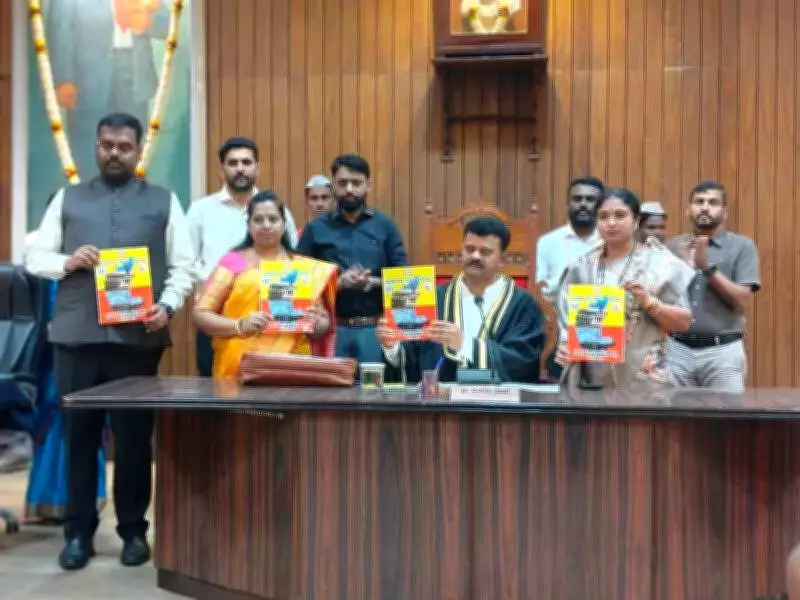
The budget was formally presented by Rekha Mohan Hugar, who serves as the chairperson of the taxation, finance and appeal standing committee. The event was conducted in the presence of prominent civic leaders, including Mayor Mangesh Pawar, Deputy Mayor Vani Vilas Joshi, Commissioner Karthik M, and other esteemed members of the corporation. Their collective presence highlighted the importance of this fiscal blueprint for Belagavi's future growth and infrastructure enhancement.
Detailed Revenue Projections and Sources
On the revenue front, the corporation has outlined a comprehensive breakdown of expected receipts. Key projections include Rs 8,500 lakh from property tax, which remains a cornerstone of municipal income. Additional revenue streams comprise Rs 755 lakh from penalties and property transfer fees, Rs 989.9 lakh from building permissions and development cess, and Rs 1,100 lakh from the sale of vacant properties. Further contributions are anticipated from solid waste management cess at Rs 975 lakh, trade licences at Rs 400 lakh, and new underground drainage (UGD) connections at Rs 500 lakh.

Grants and other revenue sources play a crucial role in this budget, with Rs 322 lakh allocated from the SFC fund, Rs 6,264 lakh under SFC electrical grants, and Rs 2,100 lakh from the 16th Finance Commission. Miscellaneous income includes Rs 169 lakh from scrap sales and Rs 150 lakh as road-cutting compensation, reflecting diverse financial strategies to bolster the corporation's coffers.
Expenditure Allocations for Development and Services
The expenditure side of the budget is meticulously planned to address various civic needs and infrastructure projects. A notable allocation of Rs 210 lakh has been earmarked for the sterilisation of stray dogs and the construction of shelters, emphasizing animal welfare. The corporation has also set aside Rs 500 lakh as its contribution to the CITIES 2.0 programme, aimed at upgrading solid waste management systems to enhance environmental sustainability.
Major outlays include Rs 3,825 lakh for outsourced cleanliness services and Rs 1,100 lakh for salaries of permanent civic workers, ensuring efficient municipal operations. Additionally, Rs 400 lakh is reserved for scientific waste management initiatives, while Rs 50 lakh is allocated for streetlight maintenance to improve public safety and urban aesthetics.
Development works receive substantial funding, with Rs 2,700 lakh allocated for overall projects, Rs 200 lakh for the protection of open spaces, and Rs 135 lakh for park development. Infrastructure enhancements include Rs 200 lakh for UGD connections and community halls, along with Rs 145 lakh for the procurement of electronic devices to boost digital administration and streamline civic services.
Political Debate and Opposition Concerns
The budget presentation was not without controversy, as opposition members, led by Azim Patavegar, raised critical questions regarding the credibility of the revenue projections. They alleged that last year's estimates fell short, particularly in property tax collection, casting doubt on the current figures. Furthermore, they flagged the omission of Rs 17 crore in pending dues from Hescom, arguing that this exclusion could impact the budget's accuracy and transparency.

Defense and Justification from the Ruling Group
In response to the opposition's criticisms, ruling group member advocate Hanumant Kongali defended the budget, terming it realistic and well-founded. He clarified that the Hescom dues were deliberately excluded this year due to ongoing litigation, ensuring that the budget reflects only current and enforceable financial obligations. Kongali emphasized that the budget was prepared after extensive consultations with stakeholders, describing it as a practical and achievable plan that aligns with Belagavi's developmental goals and fiscal responsibilities.