

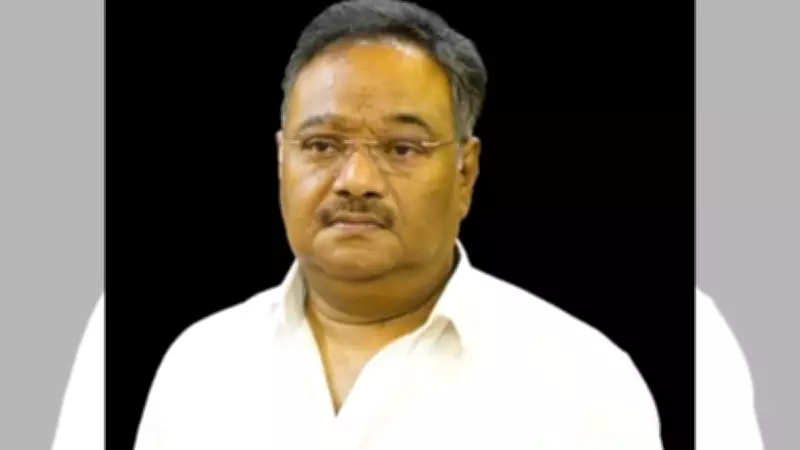
Bengal BJP Chief Clarifies Party Position on Food Habits Amid Political Controversy
The political landscape in West Bengal has been stirred by a fresh controversy surrounding food habits, with the state's Bharatiya Janata Party (BJP) chief issuing a clarification to address mounting criticism. The BJP leader has emphatically stated that the party respects individual dietary choices and that people are free to eat what they want, while simultaneously opposing only the open sale of beef. This statement comes in response to allegations from senior Trinamool Congress (TMC) leaders, including West Bengal Chief Minister Mamata Banerjee, who accused the BJP of backing moves against non-vegetarian food practices.
Controversy Erupts Over Alleged BJP-Backed Moves
The controversy erupted after TMC leaders, led by Chief Minister Mamata Banerjee, publicly criticized what they described as a BJP-supported initiative targeting non-vegetarian food habits. In her remarks, Banerjee lambasted the BJP, suggesting that the party was attempting to impose dietary restrictions on the people of West Bengal, a state known for its diverse culinary traditions. The TMC's criticism quickly gained traction, sparking debates across political and social circles about food freedom and cultural practices.
In response, the Bengal BJP chief stepped forward to set the record straight. The leader clarified that the BJP is not against any individual's right to choose their food, emphasizing that the party upholds personal freedoms in dietary matters. However, he pointed out that the party's opposition is specifically directed at the open sale of beef, citing concerns over public sentiment and legal frameworks in certain contexts. This distinction aims to separate the issue of personal choice from commercial practices that might be contentious.

BJP's Stance: Freedom of Choice with Caveats
Elaborating on the party's position, the BJP chief highlighted that while individuals are free to consume what they prefer, the open sale of beef in public spaces is a separate matter. He argued that such sales can sometimes lead to communal tensions or violate local regulations, hence the party's stance against it. This clarification seeks to balance cultural sensitivities with individual liberties, a nuanced approach in a politically charged environment.
The controversy has broader implications for West Bengal's political dynamics, especially with ongoing tensions between the BJP and TMC. Analysts note that food habits have often been politicized in India, and this incident reflects deeper ideological divides. The BJP's statement is seen as an attempt to mitigate backlash and present a more moderate image, while the TMC continues to leverage the issue to rally support among diverse communities in the state.
Reactions and Future Implications
Following the BJP chief's clarification, reactions have been mixed. Supporters of the BJP applaud the party for upholding personal freedoms while addressing sensitive issues, whereas TMC leaders remain skeptical, accusing the BJP of doublespeak. Chief Minister Mamata Banerjee has reiterated her criticism, asserting that any move against food habits is an attack on Bengal's cultural fabric.
Looking ahead, this controversy is likely to influence upcoming political discourse in West Bengal. Key points to watch include:
- How the BJP's stance on beef sale evolves in response to public feedback.
- The TMC's strategy in using this issue to galvanize voter support.
- Potential impacts on communal harmony and food-related policies in the state.
As the debate continues, the Bengal BJP chief's statement underscores the complex interplay between politics, culture, and personal choice in modern India. The party's attempt to clarify its position may shape future narratives in a region where food is deeply intertwined with identity and politics.






