Bengal CEO Directs Report on Election Violence, Emphasizes Police Accountability
In a significant move, the Chief Electoral Officer (CEO) of Bengal has issued a directive to the Additional Director General (legal) to submit a comprehensive report on poll-related violence that occurred during the 2021 Bengal Legislative Assembly election and the 2024 general election. This action aims to address concerns over electoral integrity and ensure accountability among law enforcement agencies.
Details of the CEO's Directive
In a letter dated March 15, the CEO specifically requested a list of police station-level officers under whose jurisdiction violence took place. This includes incidents during the pre-poll and poll-day phases of the 2021 election, as well as the pre-poll, poll-day, and post-poll periods of the 2024 election. An official involved in the process revealed that approximately 1,300 incidents were reported in 2021 alone, highlighting the scale of the issue.
Following the 2021 violence, a special investigation team was formed to probe these cases, operating under the monitoring of former Calcutta High Court chief justice Manjula Chellur. The severity of the post-poll violence that year has made the Election Commission (EC) particularly cautious in the current electoral cycle, as noted by the official. Despite the EC's pledge of zero tolerance, political clashes were also reported during the 2024 polls, underscoring ongoing challenges.
Focus on Police Accountability and Action
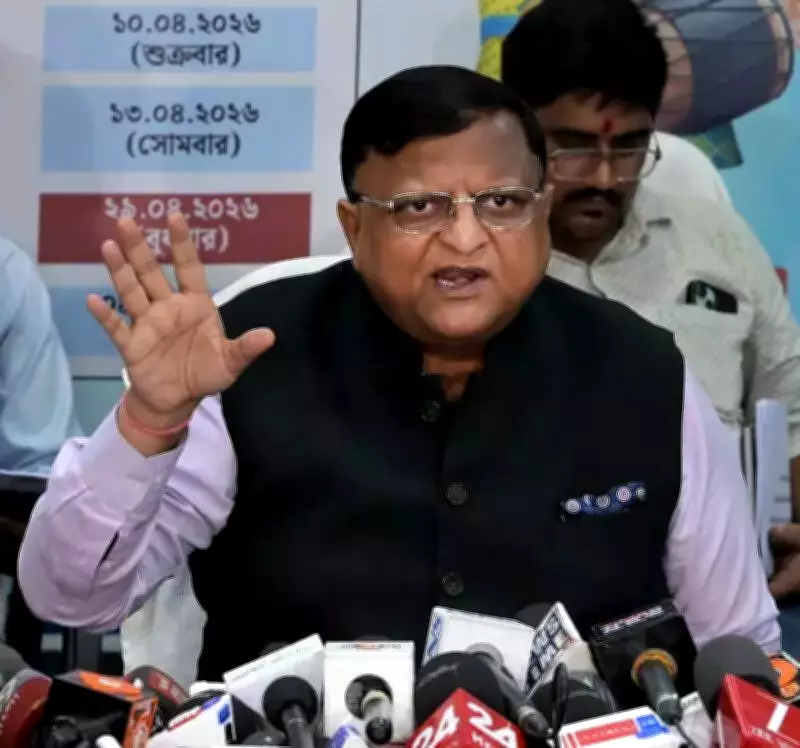
Bengal CEO Manoj Agarwal has made it clear that police accountability will be fixed, with strict action to be taken for any lapses. He emphasized that central forces have been alerted to prevent intimidation inside polling booths and are required to report any electoral malpractice to their superiors. Agarwal warned that any compromise by the force will invite punishment, reinforcing a message of responsibility from top to bottom.
Additionally, Agarwal has sought reports from senior officers on actions taken by officers-in-charge (OCs) to clear crimes in their jurisdictions. These reports, due by March 19, must include verified non-bailable warrants and lists of history-sheeters, providing a detailed overview of law enforcement efforts.
EC's Analysis and Specific Cases
The Election Commission is currently analyzing how past incidents were handled, along with earlier reports submitted by the Director General of Police (DGP). In a statement, Agarwal said, "Somebody has to take responsibility. The message is clear from top to bottom. Responsibility will be fixed." This underscores the EC's commitment to ensuring electoral fairness and holding officials accountable.
In a specific case, the CEO has asked the Kolkata Police commissioner to explain why central forces were not deployed during violence at Girish Park, indicating a focus on individual incidents to prevent future lapses. The EC is prioritizing cases involving crude bomb recoveries, booth capturing allegations, and voter intimidation, areas critical to maintaining electoral security.
Broader Implications and Future Steps
This directive reflects a proactive approach by the Election Commission to learn from past mistakes and strengthen electoral processes in Bengal. By demanding detailed reports and emphasizing accountability, the EC aims to deter violence and ensure that future elections are conducted in a free and fair manner. The involvement of central forces and the scrutiny of police actions highlight a multi-layered strategy to safeguard democratic practices.
As the reports are compiled and analyzed, stakeholders will be watching closely to see how effectively these measures are implemented and whether they lead to tangible improvements in electoral security. The focus on verified data and specific incidents suggests a methodical effort to address systemic issues and promote transparency in the electoral system.