

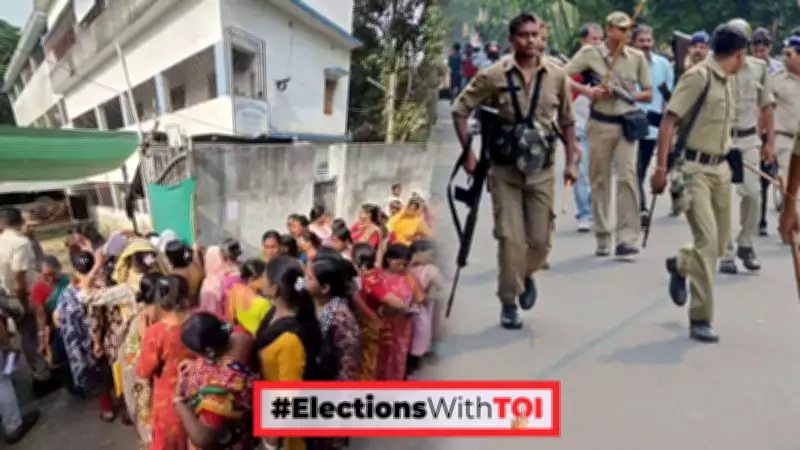
As per reports, several regions of West Bengal witnessed tension ahead of polling after voters were struck off the electoral rolls under the Special Intensive Revision (SIR) process. Residents allege that police visited homes around midnight before polling day, issuing warnings to individuals whose names had been removed from voter lists. However, many of those affected reportedly reached polling stations on election day with identity documents, stating they had been regular voters for years. The situation led to protests outside polling booths in multiple areas, with claims of large-scale deletions in regions including Murshidabad and Shamsherganj. Despite the controversy, voter turnout remained high in several pockets.
Background of the SIR Process
The Special Intensive Revision (SIR) is a periodic exercise aimed at updating electoral rolls by removing duplicate or deceased voters and adding new eligible ones. However, in West Bengal, the process has been mired in allegations of bias and manipulation. Political parties, especially the Bharatiya Janata Party (BJP), have accused the ruling Trinamool Congress (TMC) of deliberately deleting names of opposition supporters to influence election outcomes. The controversy escalated when residents reported midnight visits by police personnel, who allegedly warned those whose names were struck off not to attempt voting.
Allegations of Midnight Police Visits
In several districts, including Murshidabad and Shamsherganj, residents claimed that police arrived at their homes late at night, just hours before polling began. The police reportedly informed them that their names had been removed from the voter list and advised them not to go to polling stations. Many affected individuals expressed shock, stating they had voted in previous elections without any issue. Some said they were threatened with legal action if they tried to cast their ballots.

Protests and High Turnout
On polling day, groups of disenfranchised voters gathered outside booths, demanding the right to vote. They carried identity documents such as Aadhaar cards and voter ID slips, insisting they were legitimate voters. Despite the confusion, election officials reported high turnout in many areas, suggesting that the deletions did not significantly suppress overall participation. However, opposition parties alleged that the deletions were targeted and could have swung results in closely contested seats.
Political Reactions
The BJP and other opposition parties slammed the TMC government, accusing it of using state machinery to harass voters. The TMC, in turn, denied any wrongdoing and blamed the deletions on technical errors or administrative oversight. The Election Commission of India has taken note of the complaints and is reviewing the SIR process in the state. Meanwhile, the Calcutta High Court and the Supreme Court have been hearing petitions related to the voter list revisions, with the apex court recently expanding relief for affected voters.
Looking Ahead
The controversy has added to the charged atmosphere of the West Bengal elections, which have seen multiple allegations of violence and irregularities. As voting continues in phases, the focus remains on ensuring free and fair polls. The Election Commission has assured that all eligible voters will be allowed to cast their ballots, and any deletion will be verified. However, the midnight police visits have raised serious concerns about voter intimidation and the integrity of the electoral process.






