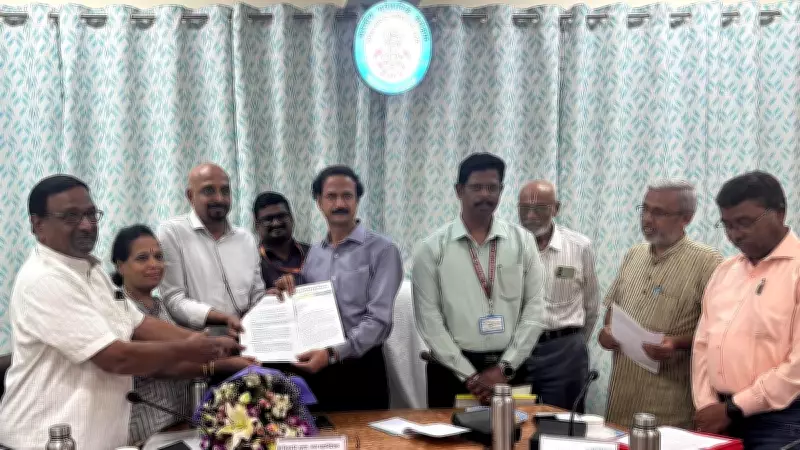
Bengaluru Metro's Lalbagh Plan Faces Widespread Citizen Opposition
In Bengaluru, a major controversy has erupted as citizens and activists are mounting strong opposition to the city's metro expansion plan near the iconic Lalbagh Botanical Garden. The proposed project is being challenged on multiple critical fronts, including potential violations of heritage laws, risks to the local water table, and negative impacts on the city's bid for UNESCO recognition.
Heritage and Environmental Concerns at the Forefront
Opponents argue that the metro construction could irreparably damage Lalbagh, a 240-year-old botanical garden that is not only a cherished green space but also a protected heritage site. They point to existing heritage laws that safeguard such landmarks from disruptive infrastructure projects. Additionally, environmentalists have raised alarms about the plan's threat to Bengaluru's already fragile water table. Excavation and construction activities, they warn, could further deplete groundwater resources in an area grappling with water scarcity issues.
Impact on UNESCO World Heritage Bid
The opposition also highlights how the metro project could jeopardize Bengaluru's aspirations for a UNESCO World Heritage Site designation. Lalbagh is a key component of the city's bid, and any perceived harm to its integrity might weaken the application. Citizens argue that prioritizing sustainable and heritage-sensitive development is crucial for maintaining Bengaluru's global cultural and environmental standing.

Citizen Activism and Legal Challenges
Local residents, environmental groups, and heritage conservationists have organized protests, petitions, and legal actions to halt the metro plan. They are calling for a thorough reassessment of the project's alignment and its long-term implications. The movement emphasizes the need for transparent public consultations and alternative solutions that balance urban mobility with ecological and historical preservation.
Broader Implications for Urban Development
This conflict underscores the ongoing tension between rapid urbanization and sustainable development in Indian cities. As Bengaluru continues to expand its metro network to ease traffic congestion, it faces increasing scrutiny over how such projects affect natural resources and cultural heritage. The outcome of this dispute could set a precedent for future infrastructure initiatives across the country.
In summary, the opposition to Bengaluru metro's Lalbagh plan reflects a growing public demand for development that respects environmental limits and historical significance. With heritage laws, water table concerns, and UNESCO ambitions all at stake, the city's authorities are under pressure to find a compromise that addresses both transportation needs and citizen welfare.