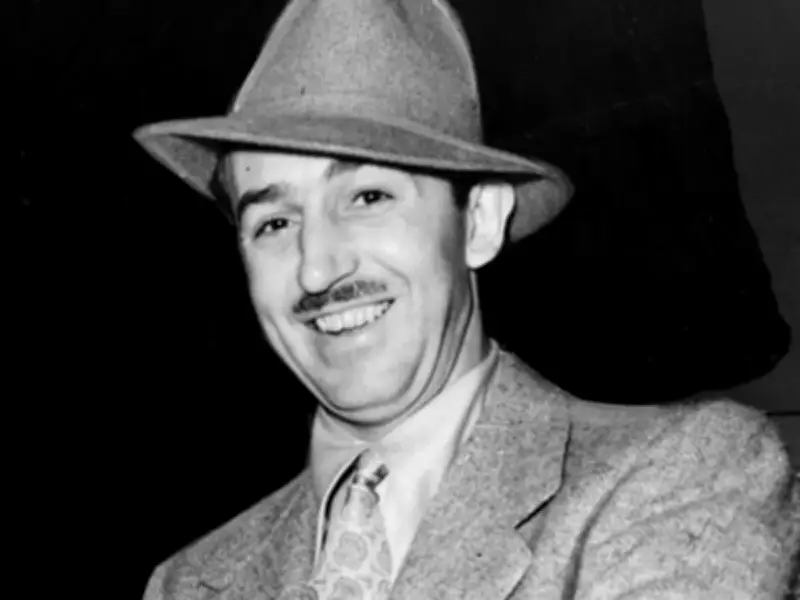
In 1948, Walt Disney visited the Ford River Rouge plant in Michigan, a trip that would forever change the history of theme parks. Accompanied by animator Ward Kimball, Disney was not merely observing a factory complex; he was captivated by the meticulously planned system that moved people and materials in a logical sequence. This experience significantly influenced the design of Disneyland, which opened in 1955.
The River Rouge Plant: A Self-Contained Industrial City
The River Rouge plant was one of the largest industrial complexes in the United States, spanning over 1,000 acres. Iron ore and other raw materials were delivered and processed through a specific scheme until they became finished vehicles, creating an atmosphere akin to a self-contained industrial city. Organized tours guided visitors through the factory, allowing them to comprehend the entire system without confusion.
How the Factory Tour Shaped Disneyland
During his visit, Disney learned that design influences behavior. He realized that people could be guided through a large area, moving from one point to the next without constant commands. The factory tour helped tourists understand how everything progressed logically. Kimball was struck by the massive scale of industrial automation, including miles of conveyor belts and overhead tram rails that carried materials through the plant. He noted that the assembly line was continuous and immersive, with conveyor belts, tools, and laborers all part of a cohesive process.

Automation Principles at Ford
The River Rouge plant exemplified a new trend in industry: automation. Historian Roland Betancourt explains that automation involved machines operating without extensive human supervision. This concept gained popularity after John Diebold's 1952 book Automation: The Advent of the Automatic Factory. Early forms of automation at Ford included conveyor systems and interconnected production stages, principles that would later inform ride systems at Disneyland, such as Peter Pan's Flight, which featured an overhead track system similar to factory conveyors.
Guest Flow: Applying Industrial Design to Entertainment
Disney applied the principles learned at the Ford plant to create a smooth guest experience at Disneyland. Pathways, entrances, and attractions were intentionally arranged to help guests navigate the park effortlessly, a concept known as “guest flow.” Urban planners note that designing movement means designing experience, and this idea was central to the park's development.
The Lasting Impact of the 1948 Visit
Disneyland opened in Anaheim, California, in 1955, four years after the factory visit. The park featured themed lands such as Main Street, Frontierland, and Tomorrowland, each with distinct character but together creating a coherent story. The River Rouge plant's influence is evident in how visitors experience Disneyland as an unfolding narrative. This story highlights that inspiration can come from surprising sources—an automobile factory inspired a creator to change the world of entertainment. The principles of design, movement, and order integrated into the factory were incorporated by Disney to create an unprecedented experience, a foundation still used in modern theme parks.