

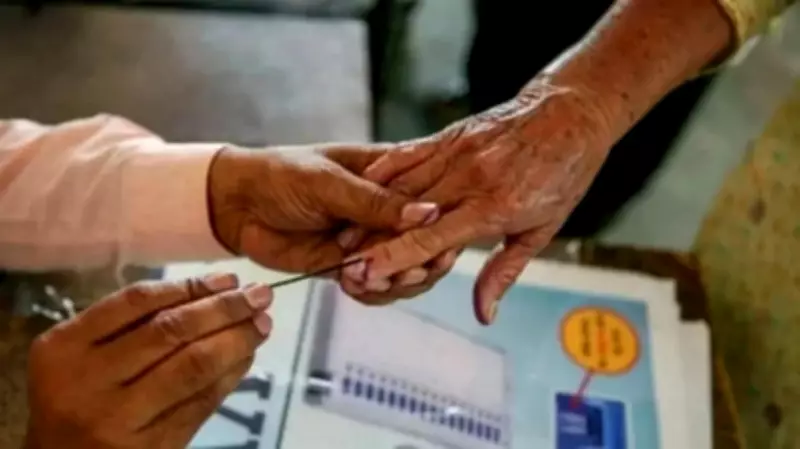
Potential Delay Looms Over Bengaluru Civic Body Elections
The Karnataka state government has initiated formal communication with the State Election Commission (SEC) concerning a possible postponement of the upcoming Bengaluru civic body elections. This development follows a specific request from the administrative leadership of the Greater Bengaluru Authority (GBA).
Official Communication and Administrative Approval
The communication to the SEC was officially approved by Chief Secretary Shalini Rajneesh, representing the state government's highest bureaucratic authority. This formal letter was drafted and dispatched based on the direct request made by Maheshwar Rao, the Chief Commissioner of the Greater Bengaluru Authority. The move indicates significant administrative consideration at the highest levels of Karnataka's governance structure.
Background and Implications of the Request
The request from the GBA chief commissioner suggests potential logistical, administrative, or procedural challenges that might necessitate rescheduling the civic polls. While specific reasons for seeking a delay were not detailed in the initial report, such communications typically involve considerations like:

- Preparation of updated voter lists and electoral rolls
- Administrative readiness of civic infrastructure
- Coordination with various government departments
- Potential security or law and order assessments
The State Election Commission will now review the government's communication and make a determination on whether to proceed with the scheduled elections or announce a new timeline. This process involves careful examination of legal provisions and electoral guidelines.
Political and Civic Context in Bengaluru
Bengaluru, as Karnataka's capital and India's technology hub, represents a crucial political battleground in state politics. The civic body elections determine leadership for the Bruhat Bengaluru Mahanagara Palike (BBMP), which governs the city's urban infrastructure and services. Any delay in these elections could have significant implications for:
- Urban governance and development projects
- Political strategies of major parties in Karnataka
- Civic administration continuity
- Public service delivery mechanisms
The timing of this development, as reported on April 18, 2026, places it within the broader context of Karnataka's political calendar and urban governance priorities.
Next Steps and Commission's Decision
All eyes now turn to the State Election Commission, which holds the constitutional authority to decide on election schedules. The commission must balance administrative requests with electoral mandates and democratic principles. Their decision will determine whether Bengaluru's civic polls proceed as anticipated or face postponement, potentially affecting millions of citizens and the city's governance trajectory.






