

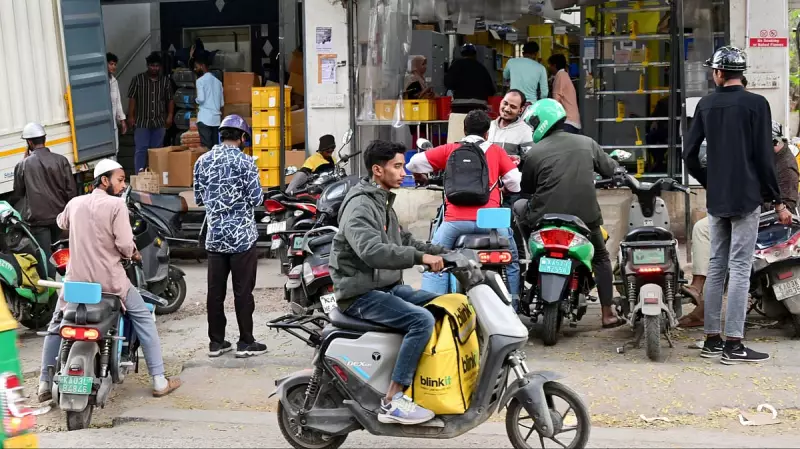
Bengaluru Delivery Workers Continue to Face Hardships Despite Government Measures
In Bengaluru, delivery workers employed by various gig economy platforms are still grappling with significant challenges, despite recent government intervention aimed at improving their conditions. Reports indicate that issues such as low wages, inadequate safety measures, and demanding work schedules persist, casting doubt on the effectiveness of the regulatory efforts.
Persistent Problems in the Gig Economy
The situation in Bengaluru reflects broader trends in India's rapidly expanding gig economy, where workers often lack formal employment benefits and job security. Delivery personnel, who play a crucial role in the city's logistics and e-commerce sectors, have voiced concerns over:
- Insufficient earnings that fail to cover basic living expenses in a metropolitan area like Bengaluru.
- Unpredictable work hours and high pressure to meet delivery targets, leading to stress and health issues.
- Limited access to insurance or healthcare, leaving them vulnerable in case of accidents or illnesses.
These problems have been highlighted in recent discussions, suggesting that the government's steps have not yet translated into tangible improvements for many workers.

Government Intervention and Its Impact
Authorities in Karnataka, including Bengaluru, have introduced measures to address labor rights in the gig economy, such as guidelines for fair pay and better working conditions. However, implementation has been slow, and workers report that little has changed on the ground. Key issues include:
- Enforcement gaps where regulations are not consistently applied by companies.
- Lack of awareness among workers about their rights and available support mechanisms.
- Resistance from platforms that may prioritize cost-cutting over worker welfare.
This has led to calls for more robust action, including stricter monitoring and penalties for non-compliance, to ensure that delivery workers receive the protections they deserve.
Looking Ahead: Challenges and Opportunities
The ongoing struggles of Bengaluru's delivery workers underscore the need for a more comprehensive approach to labor reform in India's digital economy. As the gig sector continues to grow, balancing innovation with worker rights will be crucial. Stakeholders, including policymakers, companies, and labor groups, must collaborate to develop sustainable solutions that benefit all parties involved.
In summary, while government intervention marks a positive step, delivery workers in Bengaluru await meaningful change that addresses their core concerns and improves their quality of life.






