

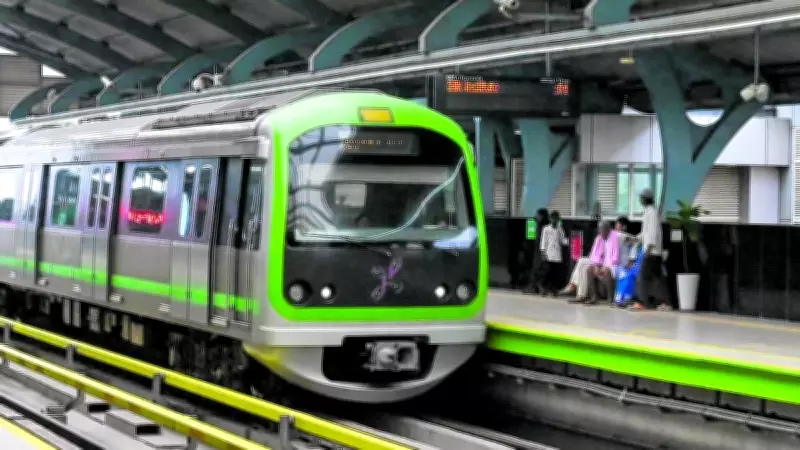
Bengaluru Metro Fare Hike: Centre's Authority Limited to Panel Restructuring
The central government has clarified its position regarding the ongoing debate over Bengaluru Metro fare increases, stating it lacks the direct authority to reduce fares. According to official sources, the Centre's role is confined to the reconstitution of the fare fixation committee, a body responsible for determining metro tariffs based on operational costs and financial viability.
Financial Implications of Fare Rationalisation
Any potential fare rationalisation or reduction for the Namma Metro system could impose a significant financial burden, estimated at up to Rs 400 crore annually. This substantial cost would need to be entirely absorbed by the Karnataka state government, as the central government has indicated it cannot shoulder this expense. The revelation underscores the complex financial dynamics involved in managing urban mass rapid transit systems.
The fare fixation committee operates under specific guidelines that consider factors such as inflation, maintenance costs, and revenue requirements. Its recommendations are typically binding, making the committee's composition and mandate critical in fare-related decisions. The Centre's ability to reconstitute this panel is seen as a procedural step rather than a direct intervention in fare setting.

State Government's Sole Responsibility
With the central government distancing itself from fare reductions, the onus now falls entirely on the Karnataka state administration to address public concerns over metro affordability. This development places significant pressure on state authorities to balance fiscal prudence with commuter welfare. The annual Rs 400 crore figure highlights the potential strain on state finances if fare concessions are implemented.
Urban transport experts note that metro systems nationwide face similar challenges, where operational sustainability often conflicts with public demand for affordable fares. The Bengaluru Metro, serving one of India's largest metropolitan regions, exemplifies this tension as it expands its network while managing rising operational costs.
The situation remains fluid as stakeholders await further clarity on the fare fixation committee's reconstitution and its potential impact on future tariff decisions. Commuters and policymakers alike are monitoring developments closely, given the metro's crucial role in Bengaluru's transportation ecosystem.






