

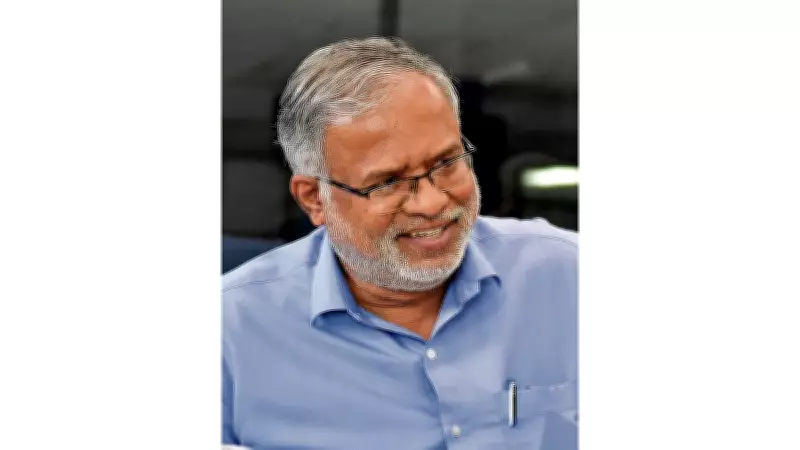
Bengaluru MLA Appeals to Greater Bengaluru Authority Over Commercial Ban on 40-Ft Roads
In a significant move, a Member of the Legislative Assembly (MLA) from Bengaluru has submitted a formal letter to the Greater Bengaluru Authority, urging a thorough review of the recent prohibition on commercial activities along 40-ft roads. This development highlights growing tensions between urban governance policies and the practical needs of local businesses and residents in India's tech capital.
MLA's Formal Request for Policy Reassessment
The MLA's correspondence emphasizes the potential adverse effects of the ban on small and medium enterprises (SMEs) that rely on these arterial roads for visibility and customer access. The letter argues that such restrictions could stifle economic growth, lead to job losses, and disrupt the vibrant commercial ecosystem that characterizes many neighborhoods in Bengaluru. By calling for a reassessment, the MLA aims to foster a dialogue that balances regulatory measures with sustainable urban development.
Impact on Local Businesses and Urban Dynamics
Commercial activities along 40-ft roads have long been integral to Bengaluru's urban fabric, supporting a diverse range of shops, eateries, and service providers. The ban, intended to address traffic congestion and safety concerns, has sparked debates about its broader implications. Critics contend that it may inadvertently push informal commerce into less regulated areas, exacerbating urban sprawl and complicating city planning efforts. The MLA's intervention seeks to mitigate these risks by advocating for more nuanced solutions that consider both infrastructure and livelihood aspects.

Greater Bengaluru Authority's Role and Response
The Greater Bengaluru Authority, responsible for overseeing metropolitan governance and development, now faces pressure to reevaluate its stance. The MLA's letter underscores the need for collaborative policymaking, suggesting that stakeholder consultations could lead to amended guidelines. This situation reflects ongoing challenges in managing rapid urbanization in Bengaluru, where authorities must navigate competing interests of mobility, commerce, and community welfare.
Broader Context of Urban Governance in Karnataka
This issue is part of a larger discourse on urban management in Karnataka, where cities like Bengaluru grapple with balancing growth with quality of life. Previous initiatives, such as road-widening projects and zoning regulations, have similarly faced public scrutiny. The MLA's action highlights the critical role of elected representatives in voicing constituent concerns and shaping policies that align with ground realities. As Bengaluru continues to evolve, such interventions may set precedents for how Indian cities address complex urban challenges.
In summary, the MLA's letter to the Greater Bengaluru Authority marks a pivotal moment in the ongoing debate over commercial activities on 40-ft roads. By advocating for a review, it aims to ensure that urban policies are both effective and equitable, fostering a resilient and inclusive cityscape for all residents.






