

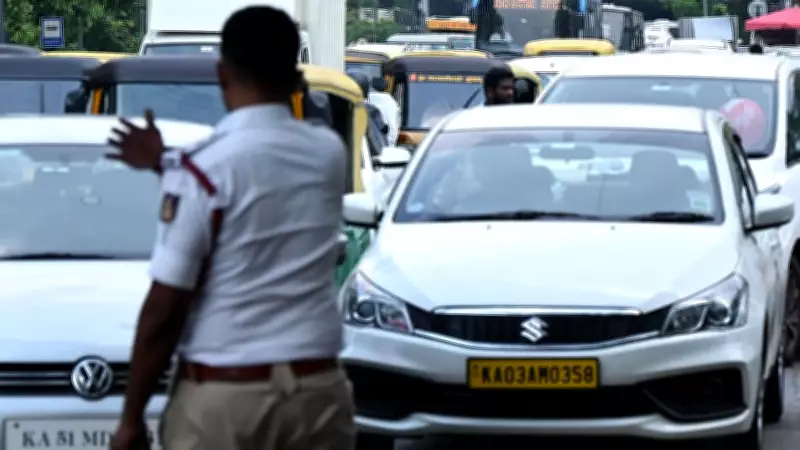
Bengaluru Traffic Police Face Harsh Reality: Reducing Water Intake to Manage Duties
In a startling revelation from India's tech capital, traffic police officers in Bengaluru are taking extreme measures to cope with their demanding work schedules. Reports indicate that many officers are deliberately cutting back on their daily water intake to avoid the need for restroom breaks during their shifts. This practice sheds light on the severe staffing shortages and grueling conditions faced by law enforcement personnel in one of the country's most congested cities.
Staffing Crisis Forces Drastic Adjustments
The Bengaluru traffic police department is grappling with a significant manpower deficit, with current staffing levels falling far short of the required numbers to manage the city's notorious traffic effectively. Officers are often assigned to long, uninterrupted shifts without adequate relief or backup. This shortage means that taking even a short break for essential needs like using the restroom can lead to traffic management gaps, potentially causing chaos on the roads.
To mitigate this issue, some officers have resorted to limiting their hydration, a move that health experts warn could lead to dehydration and other serious health risks, especially in Bengaluru's often hot and humid climate. This situation underscores the broader challenges within the department, including inadequate resources and overwhelming workloads.

Impact on Health and Morale
The decision to reduce water intake is not taken lightly and reflects the immense pressure on these officers. Prolonged dehydration can result in fatigue, dizziness, and reduced cognitive function, which are critical concerns for individuals tasked with maintaining public safety and order. Moreover, this practice takes a toll on the morale of the police force, as officers feel compelled to compromise their well-being to fulfill their duties.
Community members and advocacy groups have expressed concern over these reports, calling for immediate action to address the staffing shortages and improve working conditions. They emphasize that the health of traffic police officers is paramount and that sustainable solutions are needed to ensure both their welfare and effective traffic management.
Broader Implications for Urban Governance
This issue highlights systemic problems in urban governance and infrastructure planning in Bengaluru. The city's rapid growth and increasing vehicle population have outpaced the capacity of its traffic management systems. Without sufficient personnel and support, officers are forced into untenable situations that affect their health and job performance.
Authorities in Karnataka are urged to prioritize recruitment and training for the traffic police force, as well as to implement better shift schedules and break policies. Investing in technology, such as automated traffic systems, could also alleviate some of the burden on human resources. Ultimately, addressing these challenges is crucial for enhancing public safety and the quality of life in Bengaluru.
In summary, the plight of Bengaluru's traffic police serves as a stark reminder of the human cost behind urban management issues. It calls for a concerted effort from government bodies and the public to support those who work tirelessly to keep the city moving.






