

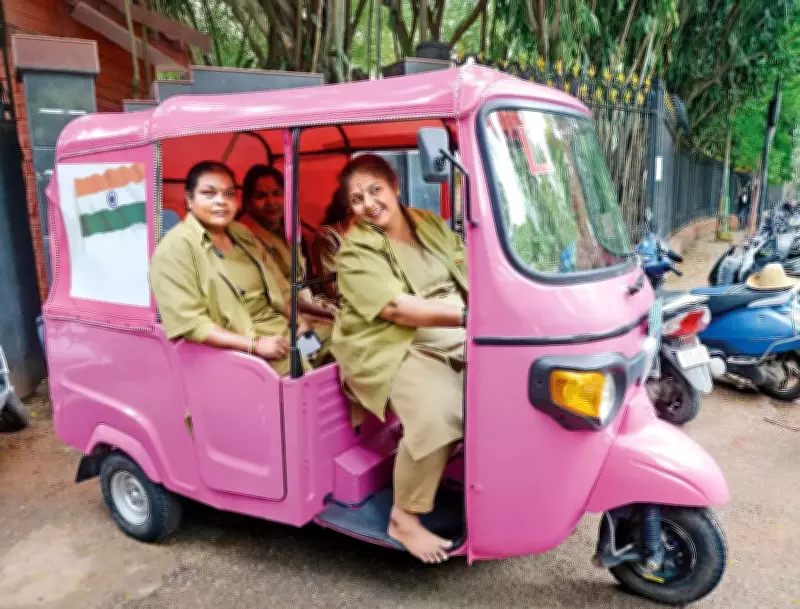
Bengaluru's Women-Only Auto Service: A New Chapter in Transportation
As Bengaluru gears up to introduce a women-only auto-rickshaw service, female drivers already navigating the city's bustling streets are extending a warm welcome to newcomers set to join their ranks. This initiative marks a significant step toward gender inclusivity in a profession long dominated by men. However, these pioneering women continue to face daily hurdles, including a severe lack of basic infrastructure such as clean toilets and safe rest spaces, which impact their ability to work comfortably and sustainably.
Voices from the Road: Pride and Practical Realities
Safura, a 29-year-old auto driver who gained viral fame on social media, embodies the blend of pride and practicality that defines this profession. She describes how public reactions often surprise her. "People look at me in surprise when I stop at a signal, like, 'Oh, she's a girl driving an auto!' It's special attention, and not in a bad way. It makes me happy every single day," Safura shares. Her story highlights the positive recognition that comes with breaking gender barriers, yet it also underscores deeper issues.
Beneath the novelty, Safura points to a more pressing concern: the scarcity of proper facilities. "There are no proper toilets for women. Public toilets are not well spread out, and I struggle to use them," she adds, emphasizing how this basic need remains unmet, affecting her daily routine and well-being.

Flexibility and Family: The Dual Benefits of Auto Driving
Rajeshwari, another auto driver in Bengaluru, transitioned from housekeeping to auto driving after learning about training opportunities for women. She advocates for seizing learning chances, stating, "As women, we should take whatever learning comes our way." For Rajeshwari, the profession offers a unique advantage: flexibility. "I love riding the auto across the city. Being a mother, it gives me flexibility that a fixed job never did," she explains. This autonomy allows her to balance work with family responsibilities, a benefit many women in traditional jobs lack.
However, Rajeshwari also faces practical challenges, particularly regarding health and hydration. "The lack of accessible washrooms often forces me to drink less water during long work hours," she admits, revealing how infrastructure gaps compromise basic needs and safety.
The Struggles Women Auto Drivers Face in Bengaluru
In Bengaluru, female auto drivers represent a small but growing segment of the workforce, yet their journey is fraught with obstacles. Key issues include:
- Lack of Clean Public Toilets: A critical infrastructure gap that affects health and comfort.
- Hostility from Male Colleagues: Gender-based resistance in a traditionally male field.
- Safety Concerns While Driving at Night: Increased risks during off-hours.
- Financial Restraints: Economic barriers to entry and sustainability.
- Social Stigma and Gender Bias: Societal perceptions that challenge their legitimacy.
These challenges highlight the need for systemic support as the women-only auto service launches. While the service promises to empower more women, addressing these underlying issues is crucial for their long-term success and safety. The stories of Safura and Rajeshwari illustrate a resilient spirit, but they also call for actionable solutions to create a more inclusive and supportive environment for all women in transportation.






