

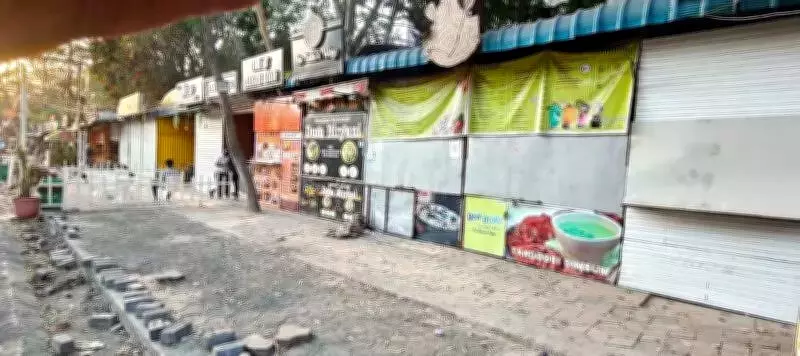
Bhopal Street Food Scene Crumbles Under LPG Supply Squeeze
As Madhya Pradesh's decision to cap commercial LPG supply to hospitals and educational institutions takes effect amid global crude oil pressures, the vibrant street food culture of Bhopal is facing an existential threat. Vendors who once dotted the city's bustling markets are now winding up their operations and disappearing from the urban landscape.
Government Claims Versus Ground Reality
While state authorities continue to downplay the supply crunch, asserting that adequate cylinder stocks are available, the evidence on the ground tells a different story. The perceived LPG shortfall is already delivering a devastating blow to small-scale food businesses and their livelihoods.
Those vendors still managing to keep their burners flickering are soldiering on under tremendous stress, with many reporting that chasing cylinders has become an exercise in futility.

Market-Specific Impacts Across Bhopal
Food stall owners at Shahpura, No. 6 Market, and No. 10 Market describe the past few days as particularly rough. Business has taken a significant hit, and daily earnings have plummeted as sourcing cylinders becomes increasingly difficult.
Mohammad Rafi, who operates a poha-dahi vada stall in Shahpura, revealed the desperate measures some are taking: "Some vendors are sourcing supplies from the black market at twice or even three times the normal price just to remain in business. As for profits, there's barely any these days. If the situation doesn't improve soon, stalls like mine will have to close permanently. We cannot continue burning cash on exorbitantly-priced cylinders."
Adaptation and Survival Strategies
Many vendors have already implemented drastic measures to cope with the crisis:
- Significantly reducing menu offerings by eliminating dishes that put excessive strain on their dwindling LPG stocks
- Closing shops earlier in the evening to stretch remaining cylinder supplies
- Raising prices on select items to offset increased fuel costs
- Prioritizing which dishes to prepare based on fuel efficiency
Kasir Ahmed, a stall owner at No. 6 Market, was recently observed extracting every ounce of fuel from his solitary cylinder to serve tea and snacks. When customers requested reheated items, he had no fuel left to accommodate them. His pleas fell on deaf ears as customers simply shrugged and left.
The Human Cost of the Crisis
Amit, who presides over a stall at No. 10 Market, highlighted the personal impact: "This stall represents my only source of livelihood. With cylinders becoming increasingly scarce, I was forced to purchase one at a steep premium. When I attempted to pass some of this cost to customers through modest price increases, they began questioning the hikes and turning away."
The once-buzzing city markets are now falling eerily silent as the LPG crisis hits home. What was once a vibrant ecosystem of small businesses supporting families and serving communities is now threatened by a supply chain disruption that shows no immediate signs of resolution.
As the global crude supply squeeze continues to reverberate through local economies, Bhopal's street food vendors find themselves on the front lines of an economic battle with potentially permanent consequences for the city's culinary landscape and informal economy.






