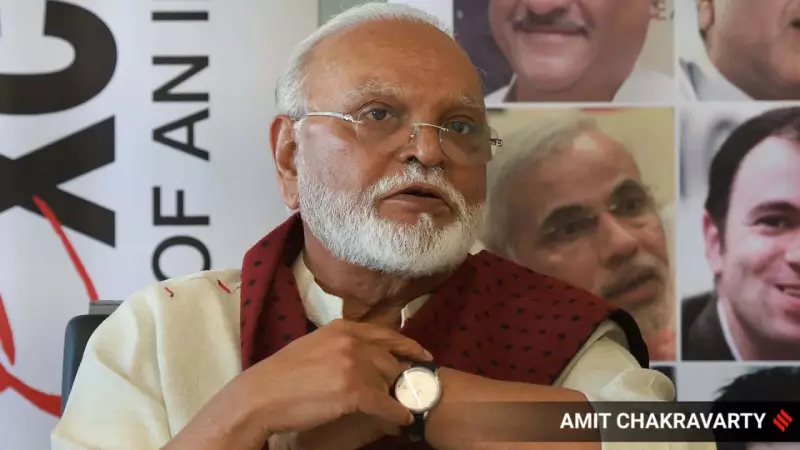
The Political Transformation of Chhagan Bhujbal: From Prison to Power
In a remarkable turn of events that underscores the fluid nature of Indian politics, Maharashtra minister and Nationalist Congress Party (NCP) leader Chhagan Bhujbal has been exonerated in the money-laundering case that once made him a symbol of the Narendra Modi government's anti-corruption campaign. The special court's decision on Friday marks a significant milestone in Bhujbal's political journey, revealing much about power dynamics, investigative processes, and political realignments in Maharashtra.
From Accused to Acquitted: The Legal Journey
Bhujbal's arrest in 2016 represented the first high-profile detention of a senior opposition leader following the Modi government's assumption of power in 2014. At that time, the Bharatiya Janata Party (BJP) prominently showcased his incarceration as concrete evidence of their zero-tolerance approach toward corruption. The Enforcement Directorate (ED) case kept Bhujbal imprisoned for two years until he secured bail in 2018, creating what opposition leaders described as a pervasive climate of political apprehension.
The recent acquittal, which supporters enthusiastically characterize as a "clean chit," does not constitute a formal declaration of innocence after a complete trial. Rather, it signifies that the court found insufficient grounds to proceed against him. This legal development follows Bhujbal's earlier exoneration in September 2021 by a special anti-corruption bureau court concerning the Maharashtra Sadan scam, which served as the foundational predicate offense for the subsequent ED investigation.

Political Realignments and Rehabilitation
Bhujbal's political rehabilitation gained substantial momentum following his decision to break ranks with mentor Sharad Pawar and align with nephew Ajit Pawar during the NCP split in 2023. This strategic move positioned him within the BJP-led Mahayuti alliance, facilitating his return to ministerial office under circumstances that highlight the intricate nature of Maharashtra's political landscape.
The political irony is particularly striking when considering that Bhujbal, Ajit Pawar, and Ashok Chavan—all once targeted by anti-corruption rhetoric—now find themselves aligned with the very party that previously emphasized their alleged transgressions. This transformation reveals how political expediency often transcends earlier adversarial positions in Indian politics.
Strategic Positioning and Electoral Calculations
Known for his sharp political acumen and street-smart approach, Bhujbal previously demonstrated exceptional effectiveness as Leader of Opposition in the Legislative Council during the 1995-99 Shiv Sena-BJP government. His prolonged imprisonment temporarily diminished this combative edge, but he has since employed strategic positioning to rebuild his political standing.
During the intense Maratha reservation agitation led by activist Manoj Jarange-Patil, Bhujbal skillfully identified an opportunity to revitalize his Other Backward Classes (OBC) political base by articulating a counter-position. This calculated approach yielded electoral benefits as the Mahayuti alliance achieved sweeping success in subsequent Assembly elections. Although the Ajit Pawar-led NCP faction, traditionally perceived as pro-Maratha, initially excluded him from the Cabinet, Bhujbal eventually secured induction following OBC leader Dhananjay Munde's resignation in the aftermath of the Massajog sarpanch murder case.
The Silence of Former Adversaries
In the current political environment, Bhujbal deliberately avoids naming BJP leaders who previously accused him and welcomed his arrest. Correspondingly, on the BJP side, neither Chief Minister Devendra Fadnavis nor other senior figures reference the historical allegations. This mutual silence speaks volumes about the pragmatic accommodations that characterize contemporary political alliances.
For Bhujbal—a former Mumbai mayor and once-fiery opposition figure—the acquittal in the ED case provides legal closure while he exercises governmental authority alongside those who formerly vilified him. His journey from imprisonment to ministerial power illustrates how legal processes, political calculations, and alliance dynamics intersect in Maharashtra's complex political ecosystem.

Broader Implications for Maharashtra Politics
Bhujbal's case raises significant questions about the relationship between political power, investigative agencies, and legal outcomes in India's federal democracy. The transformation from being showcased as an exemplar of anti-corruption resolve to becoming a ministerial colleague within the same political framework highlights the adaptable nature of political narratives and alliances.
This development also underscores how regional political leaders navigate between legal challenges and political opportunities, employing strategic positioning to maintain relevance and influence. As Maharashtra continues to experience political realignments and coalition dynamics, Bhujbal's trajectory offers valuable insights into the mechanisms through which political rehabilitation occurs within India's democratic framework.