Bihar Government Declines to Frame Anti-Conversion Law
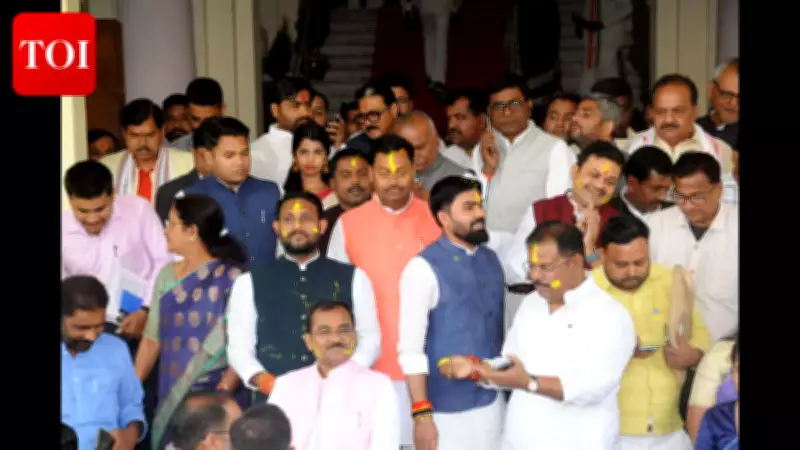
In a significant development during the final day of the budget session, the Bihar government clarified that it has no current proposal under consideration to enact legislation against religious conversions within the state. This statement was delivered by Arun Shankar Prasad, the minister in charge of home affairs, during the Question Hour in the legislative assembly on Friday.
BJP Legislators Push for Strict Legislation
Several Bharatiya Janata Party (BJP) members of the legislative assembly, including Virendra Kumar, Jibesh Kumar, and Mithilesh Tiwari, raised the issue through a calling attention motion. They demanded the implementation of stringent laws to curb religious conversions, drawing parallels with existing legislation in states such as Madhya Pradesh and Himachal Pradesh.
Virendra Kumar highlighted demographic concerns, asserting that religious conversions have led to an abnormal increase in the population of Muslims and Christians in various regions, particularly in border districts of Bihar. He emphasized that anti-conversion laws are already operational in 11 states across India.
"More than 5,000 churches have been established in Bihar," Virendra stated. "The national growth rate for Christians stands at 15.52%, whereas in Bihar, it has surged to 143.23%. Similarly, there has been an unprecedented rise in the Muslim population."
Jibesh Kumar invoked Article 25 of the Indian Constitution to bolster his argument for a law against conversions, claiming that the Constitution does not permit changes in caste or religion. Meanwhile, Mithilesh Tiwari pointed to the prevalence of cases related to love jihad throughout Bihar.
Additional Issues Raised in the Assembly
Beyond the debate on religious conversions, legislators addressed other pressing matters affecting the state:
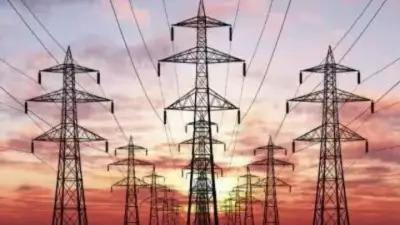
- Overhead Electricity Wires: MLAs from across party lines expressed concerns about overhead electricity wires passing dangerously close to or over residential properties. Raghvendra Pratap Singh noted that while the government requires residents to pay a supervision fee, many impoverished individuals cannot afford it, thereby risking electrocution. Speaker Prem Kumar directed energy minister Bijendra Prasad Yadav to investigate the issue, with plans for a post-Holi meeting to devise solutions.
- SDRF Expansion: Minister Vijay Kumar Choudhary announced the state government's intention to expand the State Disaster Response Force (SDRF) to the subdivision level. This move aims to enhance emergency assistance capabilities, with the SDRF headquarters already established in Bihta and personnel receiving advanced training at national and international levels.
- Licence Exemption for Meat Sellers: Akhtarul Iman, the state chief of the All India Majlis-e-Ittehadul Muslimeen (AIMIM), appealed for an exemption from licence requirements for small-scale fish, chicken, and meat vendors. He urged the government to cease actions that threaten the livelihoods of the poor, arguing that those selling minimal quantities cannot bear the licence fees.
The assembly session concluded with these discussions, reflecting a broad spectrum of socio-political and safety issues facing Bihar, while the government maintained its stance against introducing new anti-conversion legislation at this time.