

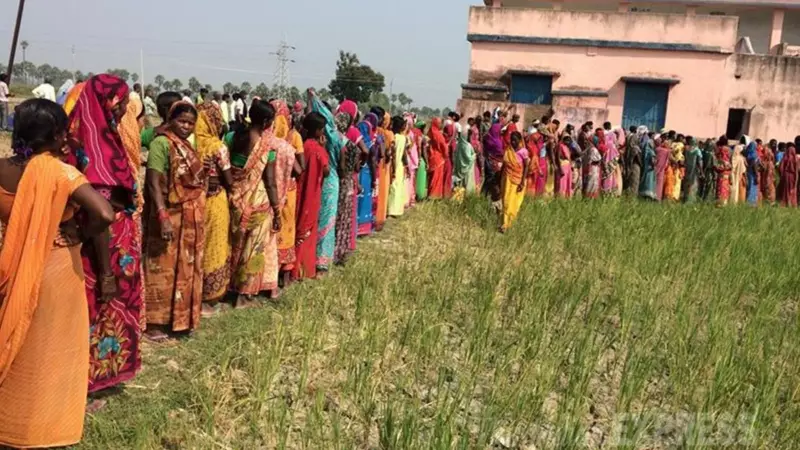
In a striking development that highlights the complex dynamics of gender representation in Indian politics, Bihar has witnessed a curious contradiction: while women voters turned out in unprecedented numbers during recent elections, their actual representation in the legislative assembly saw a noticeable decline.
The Rising Tide of Women Voters
Electoral data reveals an encouraging trend of increasing female participation at the polling booths. Women in Bihar have been voting in larger numbers than ever before, often surpassing male voter turnout in many constituencies. This phenomenon represents a significant shift in the state's political landscape, indicating growing political awareness and engagement among women across urban and rural areas alike.
The Representation Deficit
Despite this impressive show of electoral participation, the number of women who actually won seats in the Bihar Legislative Assembly decreased. This creates what political analysts are calling a "representation paradox" - where increased voting power doesn't translate into proportional political power.

Key Factors Behind the Disconnect
- Ticket Distribution Bias: Political parties remain hesitant to field female candidates in winnable seats
- Structural Barriers: Women candidates often face greater challenges in fundraising and campaign resources
- Social Constraints: Deep-rooted societal norms continue to limit women's political ambitions
- Safety Concerns: Women in politics frequently confront security issues and harassment
The Bigger Picture for Indian Democracy
This trend in Bihar reflects a broader national pattern where women's voting participation has steadily increased, but their representation in legislative bodies remains disproportionately low. The situation underscores the need for more substantial measures beyond mere voter participation to achieve genuine gender equality in political leadership.
Political experts suggest that without proactive interventions such as women's reservation in legislatures and stronger support systems for female candidates, the gap between voting participation and political representation may persist, potentially undermining the very democratic principles that increased voter turnout represents.






