BJP Confronts Internal Dissent in Assam's Barak Valley as Election Nears
With discontent simmering within its Barak Valley unit following the denial of tickets to several sitting legislators, the Bharatiya Janata Party has escalated efforts to manage the fallout ahead of the crucial April 9 assembly elections in Assam. The political landscape in this key electoral region is becoming increasingly tense as the party seeks to maintain unity while projecting confidence about retaining power in the state.
Minister's Visit Aims to Mend Fences and Strengthen Party Cohesion
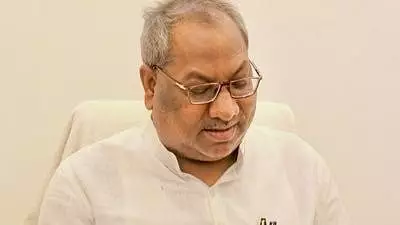
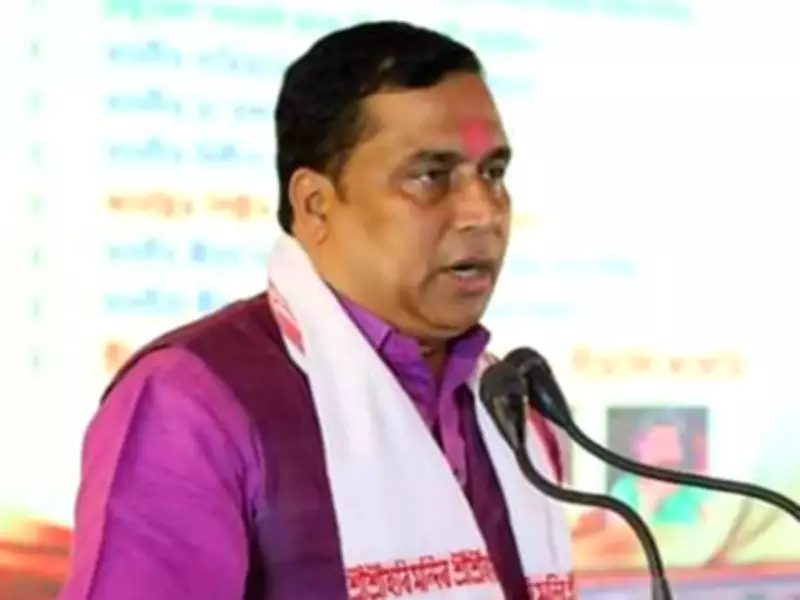
Assam minister Jayanta Mallabaruah visited the region on Saturday, representing chief minister Himanta Biswa Sarma, and conducted a series of meetings with leaders, including those excluded from the party's candidate list. Mallabaruah held discussions with sitting MLAs Nihar Ranjan Das from Dholai SC constituency, Dipayan Chakraborty from Silchar, and Mihir Kanti Som from Udharband, urging them to contribute to the party's electoral success.
The meeting, which also included minister Kaushik Rai and state co-incharge Sunil Sharma, concentrated on enhancing organizational readiness, expanding grassroots outreach, and fostering internal unity. Participants indicated that conversations centered on election strategy and booth-level coordination, with leaders expressing a shared determination to secure a third consecutive term for BJP in Assam.

"As members of BJP, the world's largest political party, we stand united like one family," Mallabaruah stated. "While certain decisions, including candidature, may not always be agreeable to all, our foremost identity remains that of committed karyakartas. Setting aside individual considerations, we held discussions and resolved to work together with unity and dedication for the party's success in the upcoming elections."
Rebellion Emerges as Denied Candidate Resigns and Plans Independent Run
Despite these unity-building efforts, signs of rebellion have already materialized. Nihar Ranjan Das, who was refused renomination from Dholai, has resigned from BJP's primary membership and declared his intention to contest the April 9 election as an Independent candidate. Das has accused Silchar MP Parimal Suklabaidya of influencing his exclusion from the party's candidate list—an allegation the MP has firmly denied.
These developments highlight the challenges BJP faces in preserving unity in Barak Valley, a strategically important electoral area comprising 13 assembly constituencies across Cachar, Sribhumi, and Hailakandi districts. The election scenario here is evolving into an intensely competitive environment, with multi-cornered contests anticipated in several seats.
Complex Electoral Dynamics Shape Barak Valley's Political Landscape
Across the Barak Valley region, political dynamics are becoming increasingly complex. While BJP and its allies are relying on organizational strength and welfare schemes to secure votes, Congress is attempting a political resurgence by leveraging local grievances and internal dissent within the ruling party. The emergence of Independent candidates, including disgruntled BJP leaders, is expected to introduce a new dimension to the contests, potentially influencing vote shares in closely contested constituencies, according to political observers.
The situation underscores how candidate selection decisions can reverberate through local political ecosystems, creating both opportunities and challenges for major political parties. As Assam approaches its assembly elections, the Barak Valley serves as a microcosm of the broader political tensions between party discipline and individual aspirations that often characterize democratic processes in diverse regions.