BJP Unveils Comprehensive Three-Pronged Strategy for Uttar Pradesh Assembly Elections
The Bharatiya Janata Party (BJP) in Uttar Pradesh is implementing a sophisticated three-pronged strategy as it prepares for next year's crucial assembly elections. This comprehensive approach focuses on organizational discipline, meticulous monitoring of development projects, and deep engagement with people at the grassroots level.
Organizational Discipline Takes Center Stage
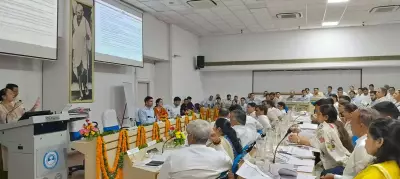
Organizational discipline has been identified as the top priority by UP BJP chief Pankaj Chaudhary during a recent organizational meeting with state functionaries in Lucknow. The party leadership has issued clear directives to all functionaries and public representatives to address any concerns or issues exclusively through internal party forums rather than airing them publicly or on social media platforms.
This emphasis on internal discipline comes in response to recent incidents that caused significant embarrassment for the party. Most notably, BJP's Charkhari (Jhansi) MLA Brij Bhushan Rajput publicly confronted UP Jal Shakti minister Swatantra Dev Singh over inadequate civic amenities in his constituency. This public confrontation provided opposition parties with ammunition to criticize the BJP and exposed internal discord.

A senior UP BJP functionary explained that the party is taking cautious steps to project an image of unified leadership while preventing confusion among party cadres. The strategy aims to maintain a cohesive front and prevent any public display of dissatisfaction that could undermine the party's electoral prospects.
Monitoring Development Projects and Welfare Measures
The second pillar of the BJP's strategy involves establishing firm coordination between the party organization and the state government to ensure effective delivery of development projects and public welfare measures. The party leadership recognizes that the successful implementation of the Yogi government's initiatives is crucial for electoral success.
The BJP has committed to closely monitoring the last-mile delivery of various development projects and welfare schemes. This monitoring mechanism is designed to ensure that government benefits reach intended beneficiaries and that development work progresses according to schedule across all constituencies.
Grassroots Engagement and Regular Assessment
The third component of the strategy focuses on deepening engagement with people at the grassroots level. The party has decided to conduct regular review meetings at the district level to assess the ground-level political situation and take appropriate actions based on these assessments.
Political experts suggest that this approach will enable the BJP to measure cadre morale, track local caste and community dynamics, gauge public sentiment, and identify potential rebels within the party ranks. These district-level assessments will provide valuable intelligence about voter preferences and emerging political trends.
The broader outline of this three-pronged strategy was developed during organizational meetings led by UP BJP chief Pankaj Chaudhary. The fundamental objective is to establish robust coordination between the party organization and the people while maintaining vigilant oversight of the Yogi government's welfare initiatives.
This comprehensive strategy represents the BJP's systematic approach to addressing internal challenges, maximizing the electoral benefits of development work, and maintaining strong connections with voters as the state prepares for what promises to be a fiercely contested assembly election.