BJP Consolidates Power in Pune Municipal Corporation with Key Leadership Appointments
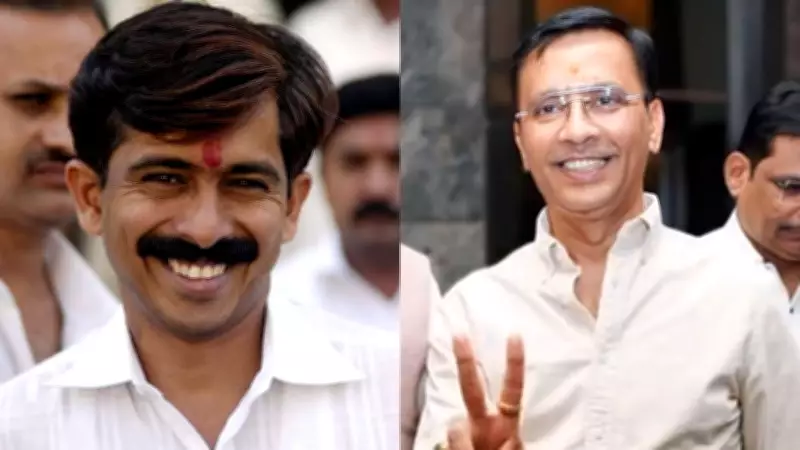
The political landscape of Pune Municipal Corporation (PMC) has taken definitive shape following the January 15 elections, with the Bharatiya Janata Party (BJP) making strategic leadership appointments to govern the civic body for the next five years. The party has officially designated Ganesh Bidkar as the Leader of the House in PMC, while the Nationalist Congress Party (NCP) has elected Nilesh Nikam as the Leader of the Opposition.
BJP's Commanding Victory Sets Stage for Civic Governance
In a remarkable electoral performance, the BJP secured 119 out of 165 seats in the PMC elections, establishing itself as the single largest party with a clear mandate to oversee municipal affairs. This substantial majority provides the party with significant political leverage to implement its agenda and manage civic administration effectively.
The opposition parties secured the remaining seats, with the NCP winning 27 seats, its alliance partner NCP(SP) claiming 3 seats, Congress obtaining 15 seats, and Shiv Sena (UBT) managing to secure 1 seat. This distribution underscores the BJP's dominant position while highlighting the fragmented nature of the opposition in the civic body.

Formal Recognition of Leadership Positions
State BJP chief Ravindra Chavan has formally communicated the party's decision to the PMC administration and the Pune Divisional Commissioner's office, requesting official recognition of Bidkar's leadership position. In his written communication, Chavan emphasized that all 119 BJP corporators have unanimously endorsed Bidkar's appointment as the party leader within the municipal corporation.
"The BJP has got 119 of its members elected to PMC who have unanimously decided to form their group in PMC and also decided that Ganesh Bidkar will be the party leader in PMC. Thus, the civic administration should recognise the group and its leader of house," stated Chavan in his official correspondence.
Experience and Strategy Behind Leadership Choices
Ganesh Bidkar brings considerable experience to his new role, having previously served as Leader of the House during the last term of the elected body. His familiarity with municipal procedures and governance mechanisms positions him well to navigate the complexities of civic administration.
The BJP's decision to appoint an experienced male corporator to this crucial position is particularly strategic, given that the Mayor's post is reserved for women corporators under the general category. This balanced approach ensures both gender representation and administrative expertise within the party's leadership structure.
Opposition Parties Establish Their Leadership
As the second largest party in PMC, the NCP has moved swiftly to declare Nilesh Nikam as its leader within the civic body. Meanwhile, the NCP(SP) has designated Sopan Chavan as its Leader of the House, and Congress has announced Chandusheth Kadam as its representative leader in the municipal corporation.
These appointments formalize the opposition structure and establish clear lines of communication and accountability within the various political groups represented in PMC.
Upcoming Civic Elections and Political Dynamics
The election for the crucial positions of Mayor and Deputy Mayor of PMC, originally scheduled for February 7, has been rescheduled to February 9. Following these elections, the process for selecting members to various civic committees will commence, further shaping the administrative framework of the municipal corporation.
Within the BJP, significant competition has emerged for the Mayor's position, with prominent contenders including Varsha Tapkir, Manjusha Nagpure, Mansi Deshpande, and Ranjana Tilekar. This internal contest reflects the party's robust democratic processes and the importance attached to this leadership role.

The formal registration of all political groups and their designated leaders with the Pune Divisional Commissioner's office marks the completion of the initial phase of post-election administrative setup. This structured approach ensures transparent governance mechanisms and clear political accountability as PMC prepares to address the city's developmental challenges and civic needs over the coming term.