

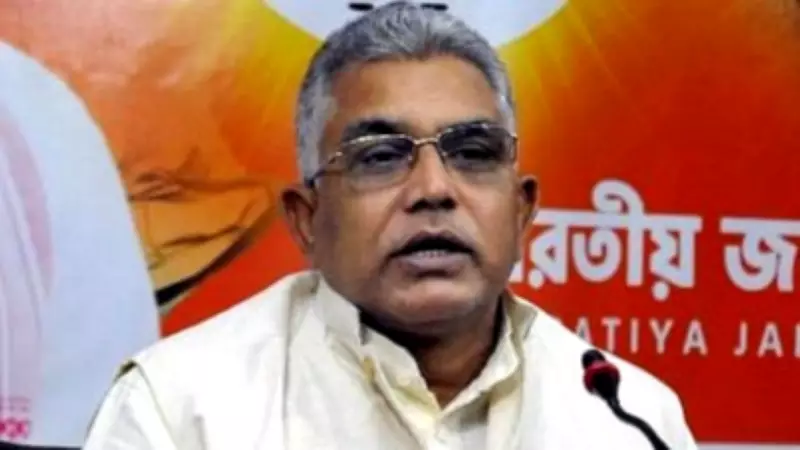
BJP Leader Dilip Ghosh Announces Plan for 'UP-Style Encounters' in West Bengal
In a significant political statement, senior Bharatiya Janata Party (BJP) leader Dilip Ghosh has declared that a BJP government in West Bengal will introduce 'Uttar Pradesh-style encounters' to combat criminals and mafia elements in the state. This announcement comes amid ongoing political tensions in West Bengal, where the BJP is positioning itself as a strong alternative to the ruling Trinamool Congress (TMC).
Allegations of Police Inaction Under TMC Rule
Ghosh leveled serious accusations against the current administration, claiming that the police force in West Bengal operates under the direct influence of the TMC government. He asserted that this has led to a systematic failure in taking action against criminals and organized mafia groups, allowing lawlessness to proliferate. According to Ghosh, this perceived ineffectiveness necessitates a drastic change in policing strategies if the BJP comes to power.
What Are 'UP-Style Encounters'?
The term 'UP-style encounters' refers to the controversial police encounter operations that have been prominently associated with Uttar Pradesh under the leadership of Chief Minister Yogi Adityanath. These operations involve police engaging in shootouts with alleged criminals, often resulting in fatalities, and have been both praised for reducing crime and criticized for potential human rights violations. Ghosh's proposal suggests adopting a similar hardline approach in West Bengal to instill fear among criminal elements and restore law and order.

Political Implications and Reactions
This statement is expected to spark intense debate in West Bengal's political landscape. Key points include:
- BJP's Law and Order Agenda: The announcement aligns with the BJP's national narrative of prioritizing strict law enforcement and cracking down on crime.
- Criticism from Opponents: The TMC and other opposition parties are likely to condemn the proposal as promoting extrajudicial measures and undermining democratic principles.
- Public Perception: In a state grappling with issues of crime and governance, such promises could influence voter sentiment, appealing to those frustrated with current security challenges.
Ghosh's remarks underscore the BJP's aggressive campaign strategy in West Bengal, aiming to highlight the TMC's alleged failures and present the BJP as a party capable of delivering decisive governance. As political dynamics evolve, this pledge for stringent anti-crime measures is set to become a focal point in the upcoming electoral battles, reflecting broader national trends in policing and security policies.






