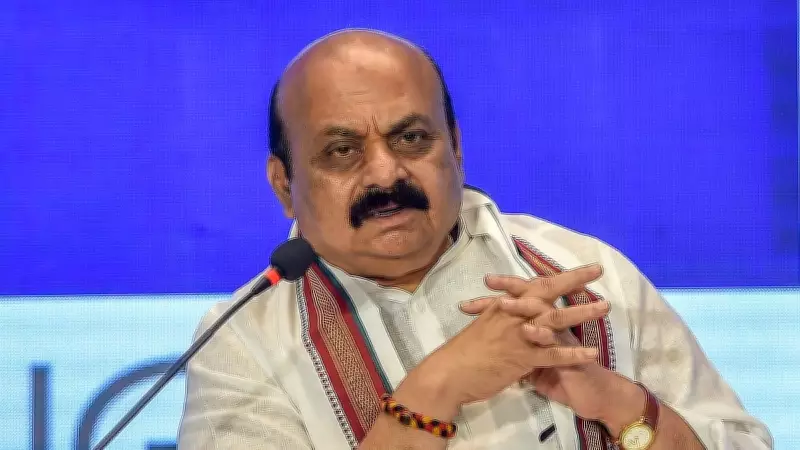
Bommai Advocates for Consensus on Internal Quota in Karnataka Job Recruitments
Former Karnataka Chief Minister Basavaraj Bommai has issued a strong appeal to the state government, urging it to establish an internal quota system for job recruitments through a consensus-based approach. This call comes amidst ongoing discussions about reservation policies and their implementation in the state.
Historical Context: Bommai's Tenure and Reservation Increases
During his time as chief minister, Basavaraj Bommai oversaw a significant expansion of reservation policies in Karnataka. Under his leadership, the overall reservation share in the state was elevated from 50% to 56%, marking a substantial increase aimed at enhancing opportunities for marginalized communities.
Furthermore, Bommai's administration announced internal reservation specifically for Scheduled Castes (SCs), a move designed to address sub-categorization within this group to ensure more equitable distribution of benefits. This announcement was made even though the Supreme Court had not yet granted explicit empowerment to states to implement such internal reservations, highlighting the proactive stance taken during his tenure.
The Current Call for Consensus
In his recent statements, Bommai emphasized the importance of achieving broad agreement among stakeholders before moving forward with internal quota measures. He stressed that a consensus-driven process is crucial to avoid legal challenges and ensure the stability and effectiveness of the reservation system.
Key points from Bommai's appeal include:
- Encouraging the government to engage in dialogue with all relevant parties, including political groups and community representatives.
- Highlighting the need for a balanced approach that respects both social justice goals and constitutional frameworks.
- Advocating for transparency and inclusivity in decision-making to foster public trust and support.
Implications for Job Recruitment and Social Equity
The push for internal quota by consensus has significant implications for job recruitment processes in Karnataka. If implemented, it could lead to:
- More targeted reservation benefits for sub-groups within SCs, potentially addressing historical disparities.
- Enhanced opportunities for employment among underrepresented communities, contributing to social mobility.
- Potential legal and administrative adjustments to align with Supreme Court guidelines once they are clarified.
This development underscores the ongoing evolution of reservation policies in India, with Karnataka at the forefront of such debates. As the state government considers Bommai's recommendations, the focus remains on achieving a fair and sustainable system that promotes equity without compromising on merit or legal integrity.