

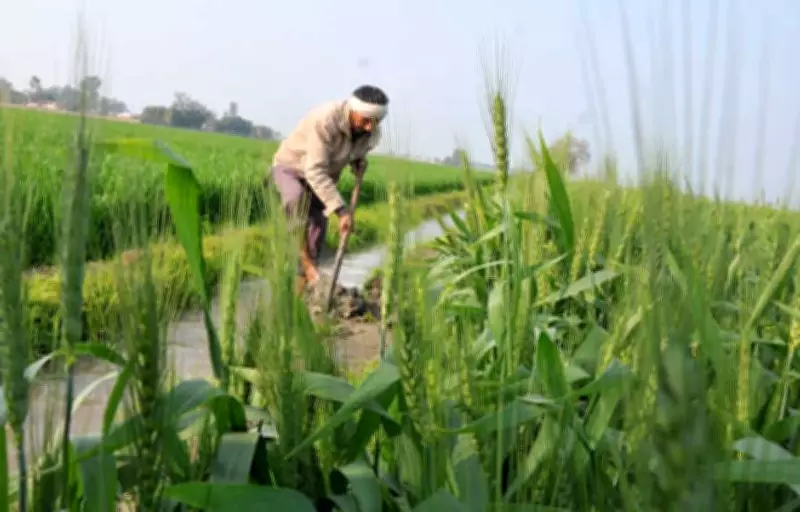
Chandigarh Farmers Rally for Land Pooling Policy Implementation
Farmers in Chandigarh have intensified their calls for the adoption of a land pooling policy, citing the need for equitable compensation and sustainable development of their agricultural holdings. This movement highlights growing concerns among the farming community regarding land acquisition processes and their long-term economic security.
Key Demands and Community Concerns
The farmers are advocating for a policy that would allow them to pool their land for development projects, rather than facing traditional acquisition methods. They argue that this approach would provide them with a stake in future developments, ensuring better financial returns and involvement in planning decisions. Many farmers express frustration over current practices, which they claim often leave them with inadequate compensation and limited recourse.
Community leaders emphasize that a land pooling system could transform rural economies by integrating farmers into urban expansion plans. This model has been successfully implemented in other regions, offering lessons for Chandigarh. Farmers point to examples where such policies have led to improved infrastructure, job creation, and enhanced property values for participants.

Government Response and Policy Implications
Local authorities have acknowledged the farmers' demands, with officials stating that the proposal is under review. The government is considering the potential benefits of land pooling, including faster project execution and reduced conflicts. However, challenges remain in drafting regulations that balance developer interests with farmer welfare.
Experts note that implementing a land pooling policy requires careful planning to address issues like land valuation, consent mechanisms, and dispute resolution. They suggest that a transparent framework, with input from all stakeholders, is crucial for success. The policy could also align with broader national goals for agricultural modernization and urban development.
Broader Impact on Agriculture and Development
The push for land pooling reflects a shift in how agricultural communities engage with urbanization. Farmers are increasingly seeking proactive roles in development, rather than being passive recipients of acquisition offers. This trend could influence land use policies across India, promoting more collaborative approaches to growth.
In Chandigarh, the outcome of this demand may set a precedent for other regions facing similar issues. As discussions continue, farmers remain hopeful that a fair policy will emerge, safeguarding their livelihoods while contributing to the region's progress. The situation underscores the importance of inclusive policies in managing the intersection of agriculture and urban expansion.






