

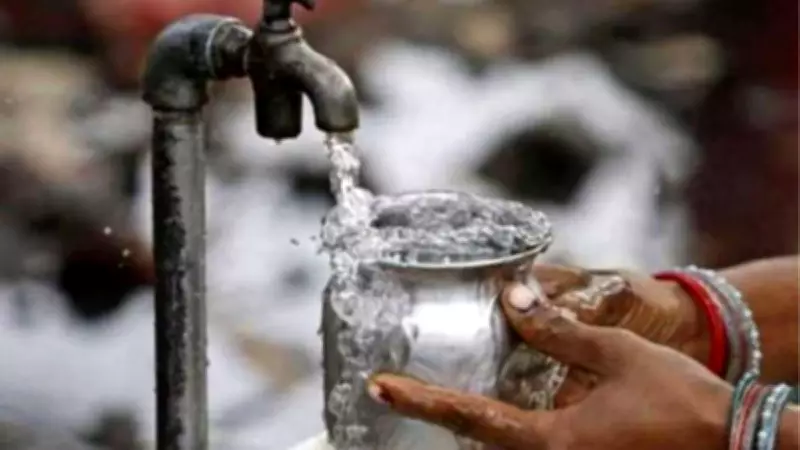
Chennai and Coimbatore to Launch 24/7 Water Supply Project by 2026
In a significant move to enhance urban water management, the cities of Chennai and Coimbatore in Tamil Nadu are poised to implement a groundbreaking 24/7 continuous water supply system. This ambitious project, scheduled for completion by 2026, aims to provide round-the-clock water access to residents, addressing long-standing issues of water scarcity and irregular supply.
Project Scale and Estimated Cost
The initiative is projected to cost approximately ₹2,500 crore, reflecting a substantial investment in public infrastructure. This funding will be allocated towards upgrading existing water distribution networks, installing advanced metering systems, and ensuring robust pipeline maintenance. The comprehensive approach is designed to minimize water losses and improve overall efficiency in water delivery across both metropolitan areas.
Ward-Wise Coverage and Implementation Strategy
A key feature of this project is its ward-wise coverage, ensuring that every residential and commercial area in Chennai and Coimbatore benefits from the continuous supply. Authorities plan to phase the implementation, starting with pilot wards to test system reliability before expanding city-wide. This strategic rollout aims to mitigate disruptions and allow for real-time adjustments based on initial feedback and performance metrics.

Technological Integration: The project will leverage smart water management technologies, including automated sensors and data analytics, to monitor usage patterns and detect leaks promptly. This integration is expected to enhance water conservation efforts and reduce operational costs over time.
Impact on Residents and Urban Development
Once operational, the 24/7 water supply system is anticipated to significantly improve the quality of life for millions of residents. Consistent access to clean water will support public health, reduce dependency on private water tankers, and foster sustainable urban growth. Additionally, this initiative aligns with broader state goals to modernize infrastructure and attract investment in Tamil Nadu's key economic hubs.
Challenges and Future Prospects: While the project promises transformative benefits, challenges such as funding allocation, logistical hurdles, and community engagement must be addressed. Success will depend on coordinated efforts between government agencies, local bodies, and residents to ensure seamless execution and long-term sustainability.






