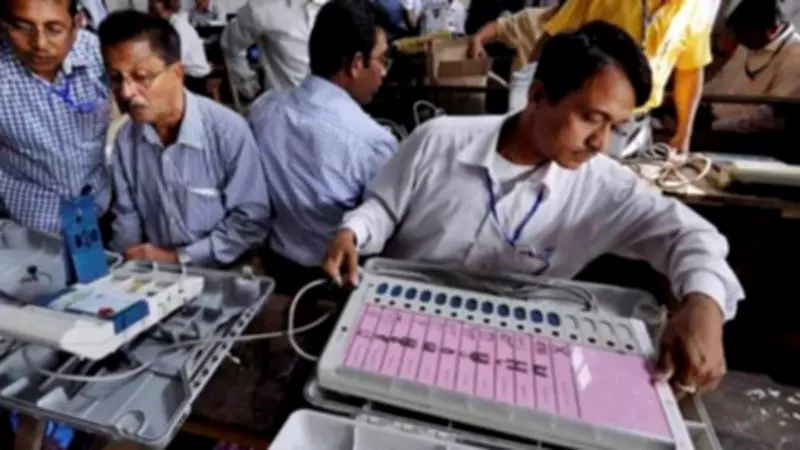
Chennai's Edappadi Assembly Constituency: A 2026 Election Preview
The Edappadi assembly constituency in Chennai is gearing up for the Tamil Nadu legislative assembly elections in 2026, with political parties already strategizing for this key urban seat. Located in the northern part of Chennai, this constituency has witnessed dynamic electoral shifts over the years, making it a focal point for political analysts and voters alike.
Historical Overview of Past Winners
In the 2021 Tamil Nadu assembly elections, the Edappadi seat was won by the All India Anna Dravida Munnetra Kazhagam (AIADMK) candidate, who secured a decisive victory. The AIADMK has maintained a strong presence here, reflecting the party's historical influence in the region. Prior to that, the constituency saw wins by the Dravida Munnetra Kazhagam (DMK) in earlier cycles, indicating a competitive political landscape where voter allegiance can swing based on state and national issues.
Analysis of Victory Margins
The victory margins in Edappadi have varied significantly across election years, often influenced by factors such as anti-incumbency, local development projects, and broader political waves in Tamil Nadu. In recent elections, margins have ranged from narrow wins to substantial leads, highlighting the seat's volatility and importance in determining the overall assembly composition. For instance, the 2021 election saw a margin that underscored the AIADMK's organizational strength and voter outreach efforts in urban Chennai.

Party-Wise Candidate Trends and Strategies
Key political parties, including AIADMK, DMK, and emerging players like the Bharatiya Janata Party (BJP), are expected to field strong candidates in Edappadi for the 2026 polls. The AIADMK is likely to leverage its incumbency advantage and focus on local governance achievements, while the DMK may emphasize issues like social welfare and economic development to woo voters. Smaller parties and independent candidates could also play a role, potentially splitting votes and affecting the final outcome.
As the 2026 elections approach, factors such as urban infrastructure, employment opportunities, and public services will be critical in shaping voter decisions in Edappadi. The constituency's demographic profile, with a mix of residential and commercial areas, adds complexity to campaign strategies, requiring parties to tailor their messages to diverse voter segments.
In summary, the Edappadi assembly seat in Chennai is poised for a closely watched contest in 2026, with past winners and margins providing valuable insights into its electoral dynamics. Political observers will monitor candidate announcements and campaign developments closely, as this seat could influence the broader political narrative in Tamil Nadu.