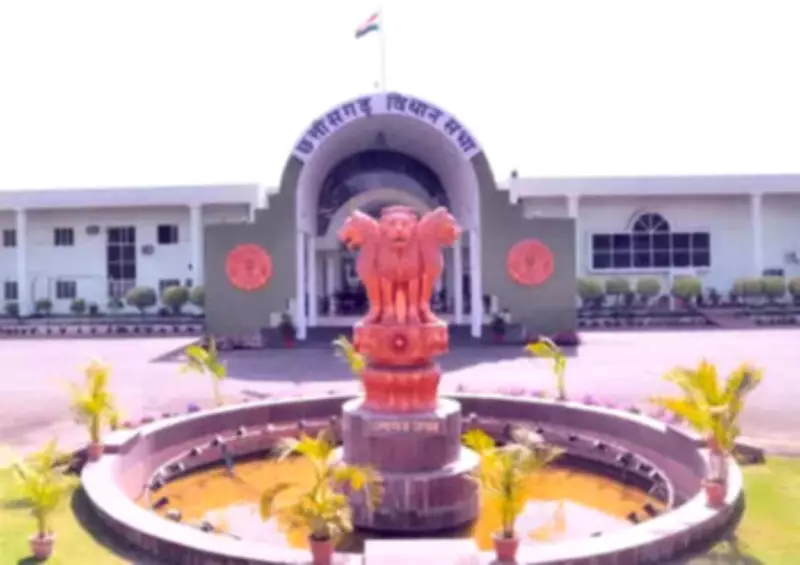
Chhattisgarh Assembly Witnesses Opposition Walkouts Over Critical Social Welfare Issues
The Chhattisgarh legislative assembly witnessed significant turmoil on Monday as opposition members staged two separate walkouts, highlighting pressing concerns over social welfare infrastructure and food security in the state. The walkouts were triggered by debates on the deplorable condition of anganwadi centres in the Bastar division and the controversial stoppage of ration distribution to beneficiaries in Bilaspur district due to incomplete e-KYC processes.
Congress MLA Flags Dire State of Anganwadi Centres in Bastar Region
Raising the first issue, Congress MLA Lakheshwar Baghel brought attention to the alarming state of anganwadi centres in the Bastar division. He questioned how these crucial early childhood care and education centres could possibly function effectively without basic amenities such as proper buildings, toilets, and access to drinking water. Baghel emphasized the urgency of the situation, urging the state government to treat this matter with the seriousness it deserves.
Minister Reveals Stark Statistics on Anganwadi Infrastructure
In response, Women and Child Development Minister Laxmi Rajwade presented detailed statistics to the House. She disclosed that the Bastar division currently has a total of 9,876 anganwadi centres. Out of these, 7,667 centres operate from dedicated buildings, while a staggering 2,209 centres are functioning without any proper infrastructure whatsoever.
Furthermore, the minister acknowledged that 962 existing buildings are in a dilapidated condition, requiring immediate repairs or reconstruction. Regarding basic amenities, she stated that only 6,431 centres have access to drinking water facilities, and merely 5,632 centres are equipped with toilet facilities.
Minister Rajwade assured the assembly that approvals for constructing new buildings and providing essential amenities have been granted across different fiscal years. However, she clarified that the actual execution of these projects would be contingent upon the availability of budgetary allocations.
Opposition Dissatisfied with Government's Response Timeline
The opposition members expressed profound dissatisfaction with the minister's reply, particularly criticizing the lack of a clear and definitive timeline for the construction of new buildings and the repair of dilapidated structures. They argued that vague assurances about budget-dependent implementation were insufficient to address the immediate needs of children and mothers relying on these centres.
Second Walkout Over Ration Distribution Halt in Bilaspur
The assembly session saw another sharp exchange, leading to a second walkout, this time concerning food security in Bilaspur district. Congress MLA Dilip Lahariya raised the critical issue of foodgrain allotment being abruptly stopped for ration card holders whose e-KYC verification remained incomplete.
Food Minister Clarifies e-KYC Policy and Exemptions
Food Minister Dayaldas Baghel addressed the concerns, confirming that distribution had indeed been halted for beneficiaries with pending KYC verification. However, he provided crucial clarifications regarding exemptions to this rule.
The minister explained that ration distribution continues uninterrupted for certain categories linked through offline mechanisms. These exemptions include ration cards held by single destitute persons, disabled beneficiaries, seriously ill individuals, and nominees who lift foodgrains on behalf of the primary cardholders.
Minister Baghel further informed the House that beneficiaries facing e-KYC issues have multiple avenues to complete the process. They can visit their designated fair price shops or utilize the government's dedicated "Mera e-KYC" mobile application to rectify their verification status.
Opposition Highlights Systemic Failures in e-KYC Implementation
The opposition launched a strong critique against the government's policy, arguing that it was leading to the denial of essential rations to a large number of impoverished beneficiaries. They pointed to systemic failures such as frequent biometric mismatches, persistent server issues, and poor internet connectivity in rural areas as major obstacles preventing successful e-KYC completion.
Dissatisfied with the minister's explanations and perceiving them as inadequate to solve the on-ground crisis, the opposition members staged their second walkout of the day, underscoring their protest against the administration's handling of both critical welfare issues.