

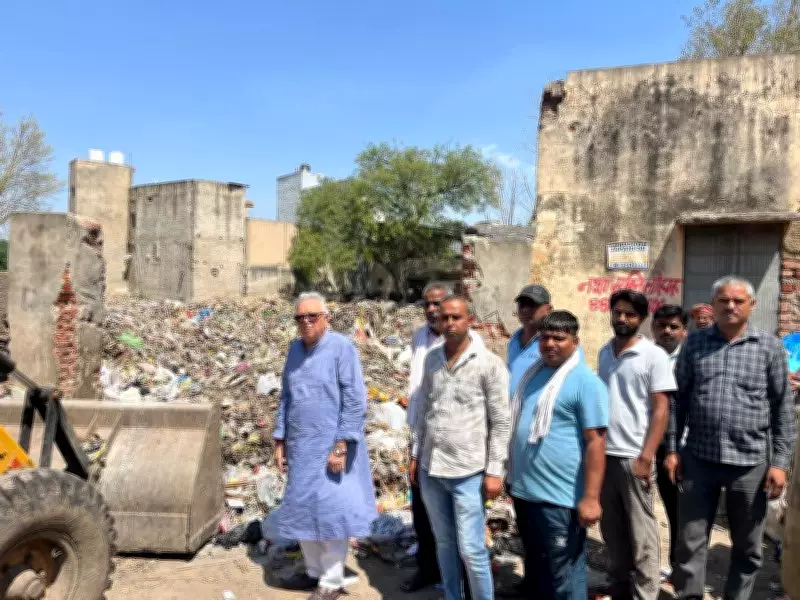
Congress Leader Slams Rewari Civic Body Over Garbage Crisis
A senior Congress leader in Rewari, Haryana, has publicly accused the local municipal corporation of gross inaction in addressing the mounting garbage crisis plaguing the city. The leader alleges that heaps of uncollected waste are littering various neighborhoods, posing severe public health and environmental hazards.
Accusations of Municipal Negligence
The Congress leader stated that despite repeated complaints from residents, the civic body has failed to implement effective waste management measures. The garbage piles, which include both household and commercial waste, have reportedly been accumulating for weeks without proper disposal or cleanup efforts.
This situation has sparked outrage among local communities, who are concerned about the spread of diseases, foul odors, and the overall degradation of urban sanitation standards. The leader emphasized that the municipal corporation's inaction violates basic civic responsibilities and endangers public welfare.

Public Health and Environmental Concerns
The accumulation of garbage in Rewari is not just an aesthetic issue but a significant public health threat. Stagnant waste can attract pests like rodents and insects, leading to potential outbreaks of vector-borne diseases. Moreover, the decomposition of organic waste releases harmful gases and leachates that can contaminate soil and water sources.
Residents have expressed frustration over the lack of timely intervention, calling for immediate action to restore cleanliness and hygiene in the area. The Congress leader has urged the municipal authorities to deploy sanitation workers and machinery to clear the waste heaps promptly.
Political and Administrative Implications
This incident highlights broader issues of urban governance and administrative efficiency in Haryana. The Congress leader's accusations point to potential failures in municipal planning and resource allocation for waste management. Such lapses can erode public trust in local governance structures and spark political debates over accountability.
The municipal corporation has yet to issue an official response to these allegations. However, the situation underscores the need for robust waste management policies and proactive civic engagement to address urban sanitation challenges effectively.
In summary, the garbage crisis in Rewari serves as a stark reminder of the critical importance of maintaining public health standards and holding civic bodies accountable for their duties. Swift and decisive action is required to mitigate the risks and restore order in the affected areas.






