Congress Grassroots in Tamil Nadu Express Frustration Over DMK's Power-Sharing Rejection
A significant portion of the Congress rank and file in Tamil Nadu is currently experiencing a wave of discontent and bewilderment. This emotional turmoil stems directly from Chief Minister M K Stalin's firm refusal to entertain their demands for a formal power-sharing arrangement within the state government. The confusion among party workers is further compounded by the receipt of contradictory signals emanating from various levels of the party's leadership structure.
Mixed Messages from State Leaders Deepen the Divide
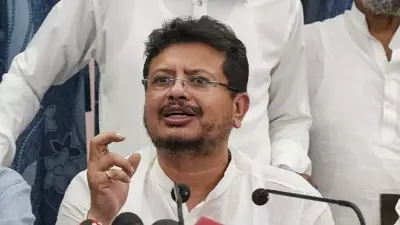
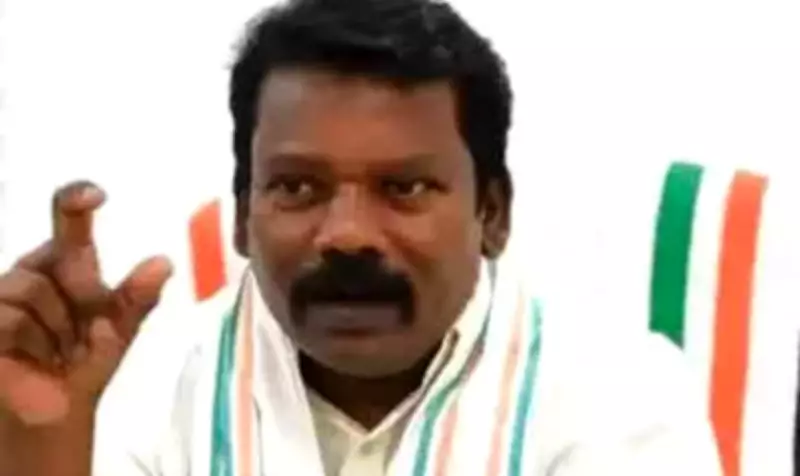
While Tamil Nadu Congress Committee (TNCC) chief K Selvaperunthagai has opted for a diplomatic and conciliatory stance in his communications, Congress Member of Parliament Manickam Tagore has adopted a markedly more assertive and confrontational tone. Tagore pointedly questioned, "How could a request for a share in public service be considered a conspiracy?" This rhetorical query was a direct response to Stalin's earlier characterization of the power-sharing request as an attempt to sow discord and create a rift between the long-standing allies, the Dravida Munnetra Kazhagam (DMK) and the Indian National Congress.
Deafening Silence from National Leadership Adds to Confusion
Perhaps more disconcerting for the grassroots Congress workers than the divergent positions of their state leaders is the complete and utter silence from the party's national leadership. To date, there has been no official response or clarification from national figures, including All India Congress Committee (AICC) in-charge for Tamil Nadu, Girish Chodankar, regarding Stalin's categorical rejection of the power-sharing proposal. This lack of guidance from the top has left local functionaries feeling directionless and uncertain about the party's strategic path forward in the state.

Growing Resentment Over Perceived Ill-Treatment by DMK
Although no formal dissent or rebellion has been declared, Congress functionaries operating at the district level have openly expressed their profound disappointment with the manner in which the ruling DMK is perceived to be treating its alliance partner. They argue that despite their official ally status, they have seen little to no tangible "dividends" from the partnership. One functionary cited a specific grievance, stating, "For instance, in the government advocate panel, the DMK did not give sufficient representation to TNCC advocates." Another pointed complaint involved the unmet demands of Congress MLAs and MPs concerning constituency development and welfare funds, which they claim have been systematically ignored.
Historical Grievances and Electoral Consequences Surface
The discontent runs deeper, touching upon historical political maneuvers. A state-level Congress functionary accused the DMK of acting against Congress interests during recent local body elections, undermining their electoral prospects. Reflecting on a pivotal moment in state politics, Abdul Salam, the National Convener of the Tamil Nadu Student Congress, reminded, "In the 2006 assembly elections, the DMK won only 96 seats, and we enabled it to form the government with our support of 36 MLAs. We are now facing the consequences of that decisive political decision." This sentiment underscores a lingering belief that Congress's kingmaker role in the past has not been adequately reciprocated.
Internal Discord and Speculation on Future Alliances
Amidst this internal strife, some functionaries have even begun to voice support for the idea of exploring an alignment with other political entities, such as the Tamilaga Vettri Kazhagam (TVK), should the party leadership consider such a move. This speculation highlights the depth of the fissure within the alliance. Adding to the surreal nature of the situation, a Congress functionary noted the paradoxical directive from party leadership: "Even as some of our leaders are criticizing the DMK, we are being asked to participate in the joint protest against the BJP government on Thursday and share the stage with DMK leaders." This contradictory command perfectly encapsulates the current state of confusion and strategic ambiguity plaguing the Congress party's cadre in Tamil Nadu.