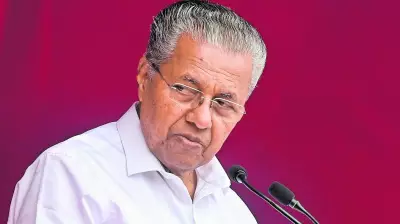
In a significant development highlighting the misuse of artificial intelligence in politics, a senior Congress leader in Kerala has been formally charged by the police. The case centres on the sharing of a digitally manipulated image that allegedly depicted Chief Minister Pinarayi Vijayan alongside an individual accused in the high-profile Sabarimala gold loss case.
Case Registered Against Senior Congress Figure
The individual facing legal action is N. Subrahmanian of Karuvattoor. He holds a prominent position within the state's principal opposition party as a member of the Kerala Pradesh Congress Committee (KPCC) Political Affairs Committee. The police registered the case based on a complaint concerning the creation and dissemination of the fabricated visual content.
This incident underscores the emerging challenge of deepfakes and AI-generated media in the Indian political landscape. The image in question was designed to create a misleading narrative by artificially placing the Chief Minister in a compromising context with an accused in a sensitive temple-related case.

Details of the Alleged Offence
According to reports, the controversial image was shared widely, potentially on social media platforms, leading to the formal registration of the case. The complaint alleged that the AI-generated picture was created with the intent to damage the reputation of the Chief Minister and to influence public perception maliciously.
The Sabarimala gold loss case is a serious matter in Kerala, involving the alleged misappropriation of gold offerings from the famed Sabarimala temple. By linking the CM to an accused in this case through synthetic media, the shared content crossed a legal boundary, prompting police intervention.
Legal and Political Repercussions
The booking of a senior political functionary for sharing AI-generated content sets a notable precedent. It signals that law enforcement agencies are beginning to treat the malicious use of synthetic media as a serious offence. The case was officially registered on 26 December 2025, as confirmed by PTI reports.
This event is likely to trigger a broader discussion on several critical issues:
- The need for robust legal frameworks to address AI-generated misinformation in elections and public life.
- The ethical responsibilities of political parties and their members in verifying content before dissemination.
- The potential for such technologies to exacerbate political tensions and undermine trust in democratic institutions.
The Congress party in Kerala has not yet issued an official statement regarding the action against its committee member. The development adds a new dimension to the ongoing political rivalry in the state, moving the battleground partially into the realm of digital misinformation. As technology evolves, such cases may become more frequent, demanding greater vigilance from both the public and the authorities.