

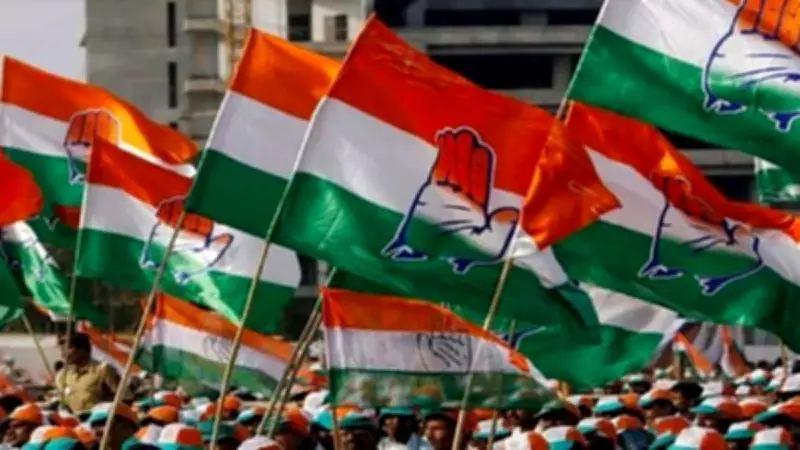
Congress Takes Disciplinary Action Against Five Haryana MLAs
The Indian National Congress party has officially suspended five of its Members of the Legislative Assembly (MLAs) from Haryana. This decisive action comes in response to their involvement in cross-voting during the recent Rajya Sabha elections. The suspension underscores the party's commitment to maintaining discipline and unity within its ranks, particularly in the face of critical parliamentary processes.
Details of the Suspension and Cross-Voting Incident
The suspension was announced following an internal investigation that confirmed the MLAs engaged in anti-party activities by voting against the official Congress candidates in the Rajya Sabha polls. The Rajya Sabha, or Upper House of Parliament, elections are a significant political event where cross-voting can alter the balance of power and influence legislative outcomes. The Congress leadership in Haryana moved swiftly to address this breach, viewing it as a serious threat to party cohesion and electoral strategy.
The five suspended MLAs have been identified as key figures from various constituencies across Haryana. Their actions have sparked widespread discussion within political circles, with analysts suggesting that this could impact the party's prospects in upcoming state and national elections. The suspension is expected to serve as a deterrent to other party members, reinforcing the importance of loyalty and adherence to party directives.

Political Implications and Reactions
This incident has broader implications for the political landscape in Haryana and at the national level. Cross-voting in Rajya Sabha elections is not uncommon, but the Congress's firm response highlights its efforts to curb internal dissent and strengthen its organizational structure. Political observers note that such disciplinary measures are crucial for parties aiming to present a united front, especially in competitive electoral environments.
Reactions from within the Congress party have been mixed, with some leaders supporting the suspension as necessary for discipline, while others express concern over potential factionalism. Meanwhile, opposition parties in Haryana have seized on the issue, criticizing the Congress for internal turmoil and questioning its ability to govern effectively. The suspension is likely to influence future party dynamics, including candidate selection and alliance strategies.
Background on Rajya Sabha Elections and Cross-Voting
The Rajya Sabha elections involve indirect voting by MLAs to elect members to the Upper House. Cross-voting occurs when MLAs vote against their party's official candidates, often due to personal grievances, external inducements, or strategic calculations. In Haryana, where political allegiances can be fluid, such incidents are closely watched as indicators of shifting loyalties and power struggles.
This suspension adds to a series of similar actions taken by political parties across India to address cross-voting. It reflects the ongoing challenges parties face in ensuring member compliance during crucial votes. The Congress's move is part of a larger trend where parties are increasingly adopting strict measures to maintain control and prevent defections that could undermine their legislative agendas.
Future Outlook and Party Strategy
Looking ahead, the Congress is expected to use this suspension as a platform to reinforce party discipline and rally its members around common goals. The incident may lead to:
- Enhanced monitoring of MLA activities during key votes.
- Revised strategies for candidate selection in future elections.
- Increased efforts to address internal grievances and foster unity.
As the political scenario in Haryana evolves, the suspension of these five MLAs will likely be a focal point in discussions about party loyalty and electoral integrity. The Congress's ability to manage this fallout could shape its performance in the state, influencing voter perceptions and alliance negotiations in the coming months.






