

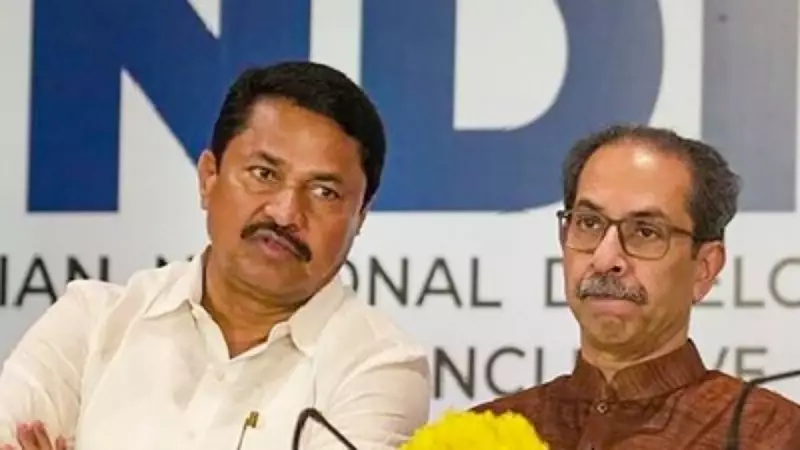
In a significant political development ahead of the crucial Pune Municipal Corporation elections, the Indian National Congress and the Shiv Sena faction led by Uddhav Thackeray have officially announced an electoral alliance. The two parties have finalized a seat-sharing arrangement, marking a concerted effort to challenge their political rivals in the important urban civic body.
The Seat-Sharing Formula Unveiled
The core of the alliance is a 50-50 seat-sharing formula. According to the agreement, the Congress party and Uddhav Thackeray's Shiv Sena (UBT) will contest an equal number of seats in the upcoming Pune civic polls. This parity underscores a partnership of equals, with both entities aiming to consolidate their voter bases and present a unified front. The announcement was made jointly by leaders from both parties, signaling a formal and coordinated entry into the electoral fray for the Pune Municipal Corporation.
This pact is seen as a direct counter to the ruling alliance in the state and aims to prevent a split in opposition votes. The decision to join forces was reached after a series of discussions between senior leaders, who emphasized the need for opposition unity to provide a viable alternative to the citizens of Pune. The alliance is expected to leverage the Congress's traditional support base and the Shiv Sena (UBT)'s strong regional and Marathi identity.

Strategic Implications for Maharashtra Politics
The formation of this alliance for the Pune civic polls carries weight beyond the city's limits, reflecting the evolving dynamics of Maharashtra politics. Pune, being a major economic and educational hub, is a high-stakes battleground. A successful performance here can provide significant momentum for the opposition bloc ahead of other elections. The collaboration between these two parties is a practical move to maximize their chances against a well-organized incumbent administration.
Political analysts suggest that this alliance could reshape the local political landscape. It forces other parties to recalibrate their strategies and could lead to further realignments. The focus for the Congress-UBT combine will now be on selecting strong candidates, crafting a common minimum program for Pune's development, and running a coordinated campaign that highlights issues of governance, infrastructure, and public welfare.
Road Ahead and Campaign Focus
With the alliance now formally in place, the immediate task for both parties is to smoothly implement the seat-sharing agreement at the ward level and kickstart their campaign machinery. The challenge will be to ensure seamless coordination between grassroots workers of both parties and to present a cohesive message to the electorate. The campaign is likely to focus on local civic issues such as water supply, waste management, road infrastructure, and urban planning, while also tapping into broader state-level political sentiments.
The Pune civic polls are poised to be a key test of this new opposition partnership. Its outcome will be closely watched as a barometer of political sentiment in urban Maharashtra and could set the tone for future collaborations between these parties in other regions. The success or failure of this 50-50 alliance will offer critical lessons for opposition unity in the state.






