Congress and UDF Clarify Position on High-Speed Rail Project in Kerala
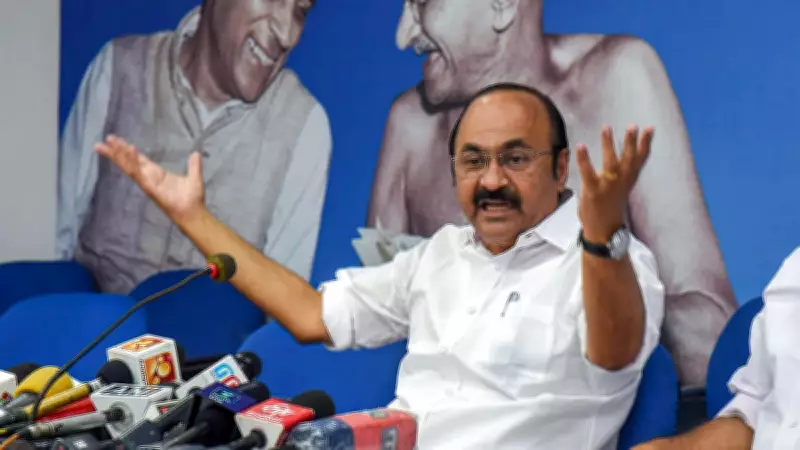
In a significant development regarding infrastructure projects in Kerala, the Congress party and the United Democratic Front (UDF) have clarified their stance on the proposed high-speed rail project. The Leader of the Opposition in the Kerala Legislative Assembly, V D Satheesan, addressed reporters to dispel any misconceptions about their position.
Not Opposed to Development Projects
V D Satheesan explicitly stated that the Congress and UDF are not against the implementation of any high-speed rail project in Kerala. "We are not against any high-speed rail project, and it should come," he affirmed during his interaction with the media. This statement comes amid ongoing discussions about major transportation infrastructure in the state.
Key Conditions for Project Implementation
While expressing support for the project in principle, Satheesan emphasized two crucial conditions that must be met before proceeding with the high-speed rail initiative:

- Proper Environmental Studies: The Opposition Leader stressed the importance of conducting comprehensive environmental impact assessments. These studies should thoroughly evaluate how the project might affect Kerala's unique ecosystem, biodiversity, and natural resources.
- Financial Viability for Kerala: Satheesan highlighted that the project must be financially sustainable for the state. This includes considerations about funding sources, economic benefits, and long-term maintenance costs that won't burden Kerala's finances.
Balancing Development with Responsibility
The clarification from the Opposition Leader reflects a nuanced approach to infrastructure development. Rather than outright opposition, the Congress and UDF are advocating for a responsible implementation of the high-speed rail project. This position acknowledges the potential benefits of improved connectivity while ensuring that environmental and financial concerns are adequately addressed.
Kerala has been at the forefront of discussions about modern transportation infrastructure in South India. The state's geographical features, population density, and economic considerations make large-scale projects like high-speed rail particularly significant. Satheesan's remarks suggest that political consensus might be possible if proper protocols are followed.
The timing of this clarification is noteworthy as infrastructure projects often become points of political contention. By clearly stating their conditional support, the Congress and UDF have positioned themselves as proponents of sustainable development rather than obstructionists. This approach could potentially facilitate more constructive discussions about Kerala's transportation future.
As Kerala continues to develop its infrastructure landscape, such balanced perspectives from major political formations could influence how large projects are planned and executed in the state. The emphasis on both environmental protection and financial prudence reflects broader concerns about development models in the region.