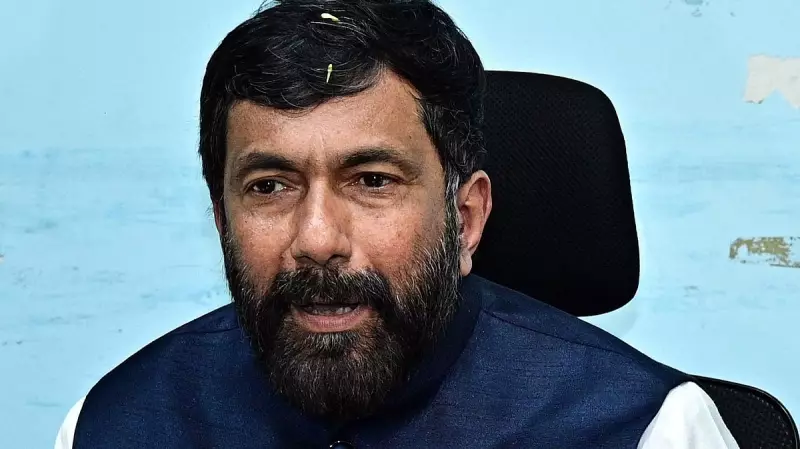
Internal discussions within the ruling Congress party in Karnataka have taken a significant turn, with senior leaders now urging the party's high command to consider a major overhaul of the state cabinet. The core demand is to induct a substantial number of fresh faces, specifically aiming for a composition where 50% of the cabinet members are new.
Pressure Mounts for a Fresh Cabinet Lineup
This push for renewal comes amidst ongoing deliberations about the performance and public perception of the current government. Proponents of the change argue that infusing new talent and energy into the council of ministers is crucial for revitalizing the administration and addressing voter expectations ahead of future electoral challenges. The call for change highlights the dynamic and often demanding nature of Karnataka politics, where balancing experience with new representation is a constant strategic exercise.
Kharge's 'Lakshman Rekha' Warning to Party Leaders
Amidst these discussions of a potential cabinet reshuffle, the party's national president, Mallikarjun Kharge, has issued a stern directive to state leaders. He has explicitly asked them not to cross the 'Lakshman Rekha'—a metaphor for a sacred boundary that should not be violated. This warning is interpreted as an appeal for discipline and restraint, aiming to prevent public airing of grievances or factional infighting from escalating and damaging the party's unity and image.
Navigating Internal Dynamics and Public Expectations
The situation presents a complex challenge for the Congress leadership. On one hand, there is a legitimate internal demand for renewal and broader representation within the cabinet. On the other, the party's top brass, led by Kharge, is keen to maintain order and present a cohesive front. The outcome of this internal debate will be closely watched, as it will signal the party's approach to governance and internal democracy in one of its most important states. The final decision on the cabinet's composition will need to carefully weigh the enthusiasm of new entrants against the experience of incumbents, all while heeding the call for party discipline.
The developments underscore the continuous evolution within political parties post-elections, where the formation and reformation of governments are as much about administrative efficiency as they are about managing internal aspirations and maintaining a stable public facade.