Neutralisation of CPI(M) Leader Prabhakar Delivers Major Boost to Maharashtra's Political Dynamics
The recent neutralisation of Communist Party of India (Marxist) leader Prabhakar has emerged as a pivotal development in Maharashtra's political landscape, sending ripples across the state's power corridors. This strategic move is poised to significantly alter the balance of power, offering a substantial advantage to certain political factions while challenging others to recalibrate their approaches.
A Strategic Political Maneuver in Maharashtra
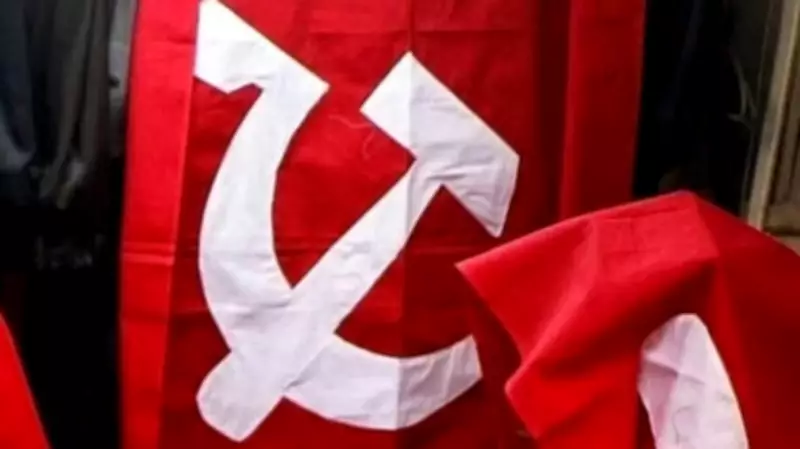
Prabhakar, a prominent figure within the CPI(M), was known for his influential role in mobilising support and shaping political discourse in key regions of Maharashtra. His neutralisation—a term often used in political contexts to describe the effective sidelining or reduction of an opponent's influence—has been executed through a combination of tactical alliances and grassroots-level shifts. This development is not merely a minor political adjustment but represents a calculated effort to weaken the CPI(M)'s foothold in the state, thereby creating opportunities for rival parties to expand their influence.
The implications of this neutralisation extend beyond the immediate political arena, potentially affecting policy directions and electoral strategies in upcoming state and local elections. With Prabhakar's influence curtailed, the CPI(M) may face challenges in maintaining its traditional support bases, particularly in rural and industrial areas where he held sway.

Impact on Maharashtra's Political Alliances and Future Prospects
This event is expected to bolster the positions of major political players in Maharashtra, such as the ruling coalition and opposition parties seeking to capitalise on the vacuum left by Prabhakar's diminished role. Analysts suggest that the neutralisation could lead to a realignment of political forces, with parties scrambling to forge new alliances or strengthen existing ones to fill the gap. In the short term, this may result in increased political volatility, as various groups vie for dominance in the wake of this significant shift.
Moreover, the neutralisation of Prabhakar highlights the intensifying competition in Maharashtra's political sphere, where every move is scrutinised for its potential to sway public opinion and electoral outcomes. It underscores the state's reputation as a battleground for diverse ideological and regional interests, with events like this serving as catalysts for broader political transformations.
Key Takeaways from the Neutralisation- The neutralisation weakens the CPI(M)'s organisational strength in Maharashtra, potentially reducing its electoral competitiveness.
- It opens up new avenues for other political parties to gain traction, especially in areas previously dominated by Prabhakar's influence.
- This development may prompt a reassessment of political strategies across the spectrum, leading to more aggressive campaigning and coalition-building efforts.
- The long-term effects could reshape Maharashtra's political map, influencing governance and policy implementation in the state.
In conclusion, the neutralisation of CPI(M) leader Prabhakar stands as a landmark event in Maharashtra's political narrative, offering a big boost to certain factions while posing challenges for others. As the state navigates this new political reality, stakeholders will be closely monitoring the fallout, which is likely to reverberate through future elections and policy debates. This move exemplifies the cutthroat nature of Indian state politics, where strategic neutralisations can redefine power dynamics overnight.