

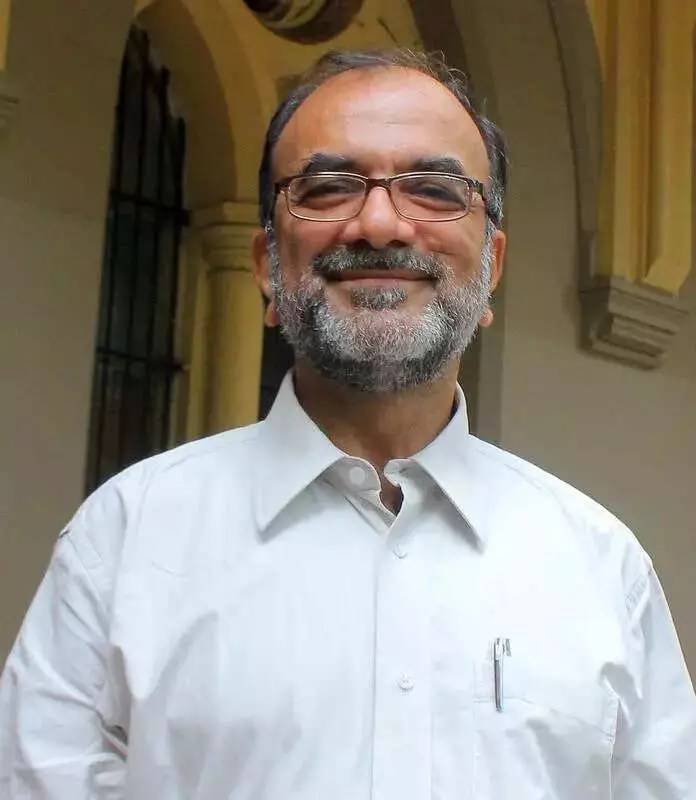
The Communist Party of India (Marxist) in West Bengal has publicly distanced itself from remarks made by its senior leader and eminent advocate, Bikash Ranjan Bhattacharya, regarding a crucial Calcutta High Court order on teacher recruitment. The party stated it does not interfere in the professional decisions of its members who are legal practitioners.
Party's Stance on Professional Independence
On Thursday, CPM state secretary Md Salim addressed the media to clarify the party's position after Bhattacharya suggested that a Calcutta High Court division bench order, which safeguarded the jobs of approximately 32,000 teachers, should be appealed in the Supreme Court. Salim emphasized that Bhattacharya's view was a "professional call" as an advocate, and the political party would not influence it.
"Bikash Ranjan Bhattacharya is an advocate, he is the former mayor of Kolkata and a sensible gentleman. It is the call of a professional, and the party will not have any say in that," Salim stated. He drew parallels to other professions, questioning, "We don't instruct a doctor on his patients, we don't instruct an auditor on his choice of clients. How can we advise an advocate on his professional call?"

Allegations of Corruption in Recruitment Process
While separating the party from the legal opinion, Salim did not hold back from levelling serious allegations of corruption in the primary teacher recruitment process. He directly accused both the ruling Trinamool Congress (TMC) and the opposition Bharatiya Janata Party (BJP) of being involved.
Salim pointed out that senior officials from the West Bengal Board of Primary Education are already in jail for their roles in the scam. "If their crimes are established in the court, then there's no denying the fact that tainted candidates or chain of corruption got saved after the verdict," he asserted. He further expressed concern over the "helplessness among the investigators" following the High Court's judgment.
The Core of the Controversy
The controversy stems from a Calcutta High Court order that provided relief to thousands of teachers appointed under the 2014 State Level Selection Test (TET). The order has been a significant political flashpoint. Bhattacharya's suggestion to challenge this order in the apex court created a complex situation for the CPM, forcing it to balance its political stance with the professional autonomy of its senior member.
The party's careful distancing indicates its attempt to navigate the sensitive issue without directly endorsing a move that could be perceived as against the interest of a large group of teachers, while simultaneously maintaining its aggressive posture against the alleged recruitment corruption under the current state administration.






