Dhemaji Assembly Constituency: A Strategic Battleground for Assam's 2026 Elections
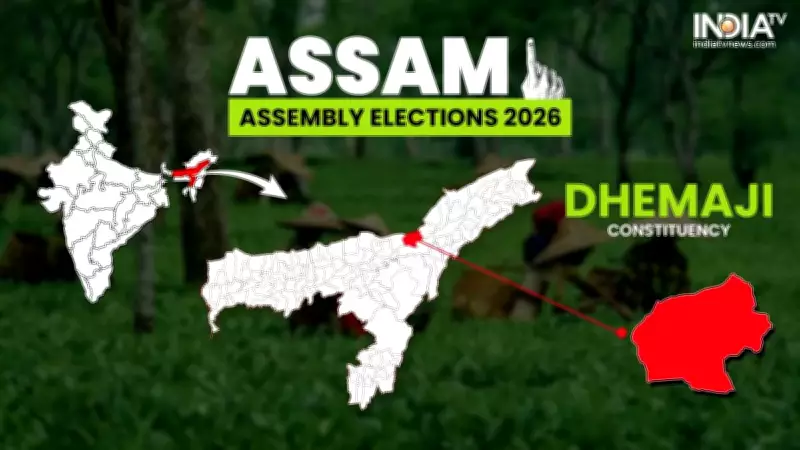
The Dhemaji assembly constituency in Assam is emerging as a critical focal point as political parties gear up for the state legislative elections scheduled for 2026. This seat, located in the Dhemaji district of Upper Assam, has witnessed significant electoral shifts over the years, reflecting broader political trends in the region.
Historical Performance and Past Winners
In the 2021 Assam Legislative Assembly election, the Bharatiya Janata Party (BJP) candidate, Dr. Ranoj Pegu, secured a decisive victory. He defeated his nearest rival, Babul Sonowal of the Indian National Congress (INC), by a substantial margin. This win reinforced the BJP's growing influence in the constituency, which has traditionally seen a mix of regional and national parties vying for dominance.
Prior to 2021, the constituency had been represented by candidates from various parties, including the Asom Gana Parishad (AGP) and the Congress, indicating a dynamic and competitive political landscape. The historical data shows that victory margins have varied, with some elections being closely contested, while others resulted in clear mandates for the winning candidates.

Party-Wise Candidate Dynamics and Strategies
As the 2026 elections approach, major political parties are expected to strategize heavily for the Dhemaji seat. The BJP, currently holding the seat, will likely focus on consolidating its support base and highlighting developmental works undertaken during its tenure. Key factors such as local issues, infrastructure projects, and community-specific concerns will play a pivotal role in their campaign.
The Indian National Congress, aiming to reclaim lost ground, may field a strong candidate with deep roots in the constituency. The party's strategy could involve addressing grievances related to governance and promising alternative policies to attract voters disillusioned with the incumbent.
Regional parties like the Asom Gana Parishad (AGP) and the All India United Democratic Front (AIUDF) are also significant players. The AGP, with its historical presence in Assam, might leverage its regional identity and autonomy agenda, while the AIUDF could focus on minority and community-based issues to garner support. The interplay between these parties could lead to complex alliances or competitive multi-cornered contests, influencing the overall outcome.
Key Issues and Voter Demographics
The Dhemaji constituency encompasses a diverse electorate, including various ethnic and linguistic groups. Key issues likely to dominate the 2026 election discourse include:
- Development and Infrastructure: Voters often prioritize local development projects, road connectivity, healthcare facilities, and educational institutions.
- Agricultural Concerns: As an area with a significant agrarian population, policies related to farming, crop prices, and rural welfare are crucial.
- Flood Management: Dhemaji is prone to annual floods, making disaster management and rehabilitation measures a critical electoral issue.
- Identity and Representation: With a mix of indigenous communities and migrants, questions of cultural preservation and political representation remain salient.
These factors will shape campaign narratives and voter preferences, making Dhemaji a microcosm of Assam's broader political challenges and opportunities.
Projections and Political Significance
Given the BJP's current hold and the constituency's evolving dynamics, the 2026 election in Dhemaji is poised to be a closely watched contest. It will serve as a barometer for the BJP's performance in Upper Assam and test the opposition's ability to mount a credible challenge. The outcome could have implications for seat-sharing agreements among parties and influence strategies in neighboring constituencies.
As parties finalize their candidates and manifestos, the Dhemaji assembly seat will undoubtedly be a battleground where local aspirations and state-level politics intersect, determining the future trajectory of governance in the region.