DMDK Officially Joins DMK-Led Alliance in Tamil Nadu
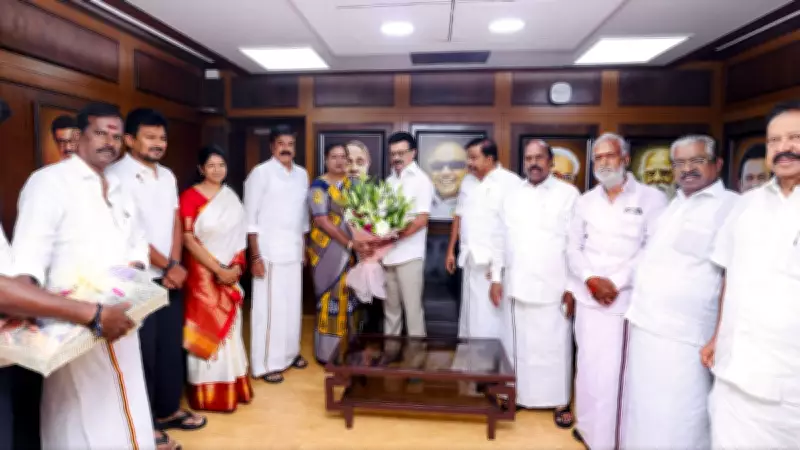
In a major political development, the Desiya Murpokku Dravida Kazhagam (DMDK) has officially joined the Dravida Munnetra Kazhagam (DMK)-led alliance in Tamil Nadu. This strategic move, announced recently, is set to reshape the dynamics of the upcoming 2026 state assembly elections. The decision marks a significant shift in the state's political landscape, as the DMDK, once a key player in opposition politics, now aligns with the ruling coalition.
Impact on 2026 Election Outcomes
This alliance is expected to have a profound impact on the poll outcomes. By joining forces, the DMK and DMDK aim to consolidate opposition votes, potentially weakening the position of rival parties like the All India Anna Dravida Munnetra Kazhagam (AIADMK) and the Bharatiya Janata Party (BJP). Analysts suggest that this move could lead to a more unified front against the incumbent government, altering vote share calculations and seat distributions across constituencies.
Key factors influencing this impact include:

- Vote consolidation: The DMDK's voter base, particularly in rural and semi-urban areas, may now align with the DMK, boosting the alliance's overall support.
- Seat-sharing strategy: The alliance is likely to optimize seat allocations to maximize wins, reducing internal competition and focusing resources on key battlegrounds.
- Opposition fragmentation: Rival parties may face increased challenges in forming a cohesive counter-alliance, potentially splitting anti-incumbent votes.
Historical Context and Political Implications
The DMDK, founded by actor-politician Vijayakanth, has historically played a pivotal role in Tamil Nadu politics, often acting as a kingmaker in close elections. Its decision to join the DMK camp reflects broader trends of realignment in the state's political arena. This move could signal a shift towards larger coalition politics, as parties seek to build stronger alliances ahead of the 2026 polls.
Observers note that this development might influence other smaller parties to reconsider their affiliations, leading to further realignments. The DMK, led by Chief Minister M.K. Stalin, is likely to leverage this alliance to strengthen its governance narrative and campaign outreach. In contrast, the AIADMK and BJP will need to reassess their strategies to counter this consolidated opposition front.
Potential long-term effects include:
- Enhanced electoral competitiveness in marginal seats.
- Increased focus on regional issues over national agendas.
- Possible realignments in future local body elections.
As Tamil Nadu gears up for the 2026 assembly elections, this alliance sets the stage for a highly contested political battle, with outcomes that could redefine the state's governance and policy directions for years to come.