

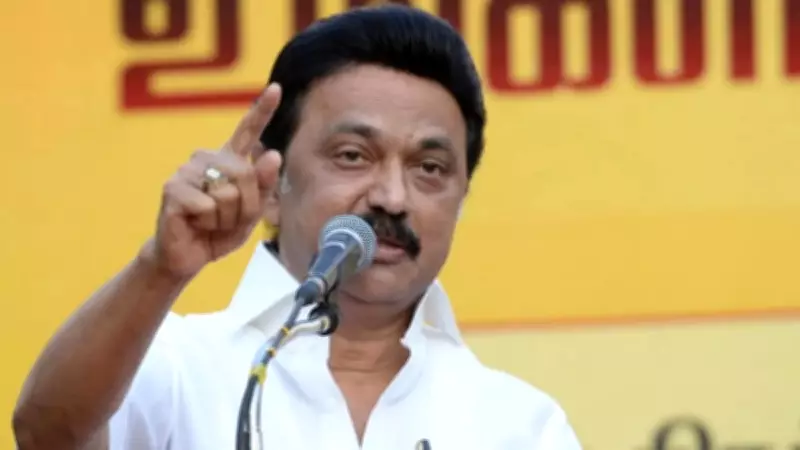
DMK Coalition Under CM Stalin Grows to 21 Parties Ahead of Crucial Assembly Polls
Tamil Nadu Chief Minister M K Stalin has taken decisive steps to consolidate and expand the ruling Dravida Munnetra Kazhagam (DMK)-led alliance in preparation for the upcoming 2026 Tamil Nadu Legislative Assembly elections. The coalition, which has been in existence for seven years, has now been fortified to include at least 21 distinct political parties, according to recent developments.
Strategic Expansion of the Political Front
The alliance's growth represents a strategic move by CM Stalin to broaden the DMK's political base and ensure a formidable presence across the state. This expansion is particularly significant as it incorporates parties that wield considerable influence in specific regional pockets of Tamil Nadu, thereby enhancing the coalition's reach and electoral prospects in diverse constituencies.
Political analysts note that this maneuver is aimed at creating a united front capable of addressing local issues while maintaining a cohesive state-level agenda. The inclusion of these regionally influential parties is expected to bolster the alliance's grassroots connect and voter mobilization efforts.

Context and Implications for the 2026 Elections
The strengthening of the DMK alliance comes at a critical juncture, with the Tamil Nadu Assembly polls scheduled for 2026. CM Stalin's proactive approach in rallying support underscores the importance of coalition politics in the state's electoral landscape, where alliances have historically played a pivotal role in determining outcomes.
This development is likely to intensify political dynamics in Tamil Nadu, setting the stage for a highly competitive election. The expanded coalition aims to present a robust alternative to opposition parties, leveraging the combined strength of its diverse constituents to campaign on issues of governance, development, and regional pride.
Broader Political Significance
The consolidation of the DMK-led alliance under CM Stalin's leadership reflects broader trends in Indian politics, where coalition-building is increasingly essential for electoral success. By bringing together 21 parties, the DMK seeks to create a comprehensive political umbrella that can appeal to a wide spectrum of voters, from urban centers to rural hinterlands.
As the election cycle approaches, all eyes will be on how this fortified alliance navigates campaign strategies, candidate selections, and policy formulations. The move is seen as a testament to CM Stalin's political acumen and his commitment to securing a strong mandate for the DMK and its partners in the forthcoming polls.






